October 22, 2026
Galvanic corrosion represents one of the most common and destructive material challenges across modern engineering, marine construction, and industrial manufacturing. When two dissimilar metals come into direct physical or electrical contact within a conductive environment, an electrochemical cell forms, causing the less noble metal to deteriorate rapidly. Unresolved corrosion on structural fasteners, pipelines, or machinery leads to premature equipment failure, severe safety hazards, and exorbitant repair costs. Preventing this phenomenon requires a comprehensive understanding of electrochemical potential differences, strategic material selection, protective barrier applications, and rigorous environmental testing.
Understanding Galvanic Corrosion Mechanics
Galvanic corrosion is an electrochemical destruction process that occurs whenever two dissimilar metals establish electrical contact while submerged in an electrolyte. Within this reactive environment, the less noble metal functions as an anode and undergoes accelerated degradation, while the more noble metal serves as a cathode and remains protected. The transfer of electrons flows continuously from the anodic material toward the cathodic structure, driven by fundamental differences in electrical potential. Common environmental liquids—such as seawater, rainwater, industrial runoff, and atmospheric humidity—act as conductive electrolytes that sustain this destructive ion exchange.
Several physical variables directly influence the speed and severity of galvanic reactions. The spatial distance between two chosen metals on the galvanic series determines the overall voltage potential driving the degradation. Environmental factors like elevated ambient temperatures, high humidity, and increased fluid conductivity further accelerate material loss. Furthermore, the surface area ratio between the joined metals plays a critical role; pairing a large cathodic surface with a small anodic fastener results in localized, rapid structural failure. Partnering with professional corrosion testing companies allows engineers to evaluate these environmental variables accurately and predict material performance before final installation.
Identifying materials vulnerable to galvanic activity is vital during the initial engineering phase. Highly reactive metals like magnesium, zinc, and aluminum act as active anodes when coupled with cathodic materials like copper, stainless steel, or titanium. Recognizing how these distinct metals interact within specific operational environments enables designers to implement targeted isolation strategies and select compatible alloy combinations.
Analyzing Electrochemical Series Fundamentals
Predicting galvanic behavior requires a detailed understanding of the electrochemical series, which ranks metals according to their standard electrode potentials. Materials positioned higher on the series exhibit a stronger tendency to lose electrons through oxidation, making them inherently anodic during galvanic coupling. Conversely, metals lower on the scale possess higher noble potential, attracting electrons and acting as protected cathodes. Consulting these thermodynamic rankings helps engineers avoid volatile metal pairings and select balanced materials.
Standard electrode potentials provide precise voltage metrics that quantify the thermodynamic driving force behind metallic oxidation. Measured in controlled laboratory settings, these potential values allow material scientists to calculate potential differences across bimetallic junctions. This mathematical framework forms the foundation for developing specialized protective alloys and predicting long-term structural viability in harsh corrosive environments.
Fundamentally, galvanic degradation is sustained by continuous oxidation and reduction reactions across metal interfaces. Oxidation occurs at the anodic site, where surface metal atoms shed electrons and dissolve into the electrolyte solution as charged ions. Simultaneously, reduction takes place at the cathodic site, consuming free electrons without degrading the cathodic surface. To accurately quantify these reaction rates under real-world operating conditions, specialized corrosion testing companies conduct rigorous electrochemical evaluations, measuring electron transfer rates across diverse metal couples.
Diagnosing and Testing Galvanic Activity
Detecting galvanic degradation during its initial stages prevents catastrophic structural failure across industrial infrastructure. Early visual symptoms include localized surface pitting, heavy discoloration, flaking rust, and blistering protective coatings concentrated near bimetallic joints. In marine and chemical processing environments, galvanic activity often manifests as sudden fastener shear or unexpected structural thinning around pipe flanges and mechanical assemblies.
Comprehensive inspection strategies combine thorough visual assessments with advanced non-destructive testing technologies. Ultrasonic testing and industrial radiography allow inspectors to measure internal wall loss and detect subsurface cracking without damaging operational equipment. Additionally, reference electrodes and specialized voltmeters measure localized potential shifts across submerged or buried metal structures, pinpointing active galvanic cells before visual breakdown becomes apparent.
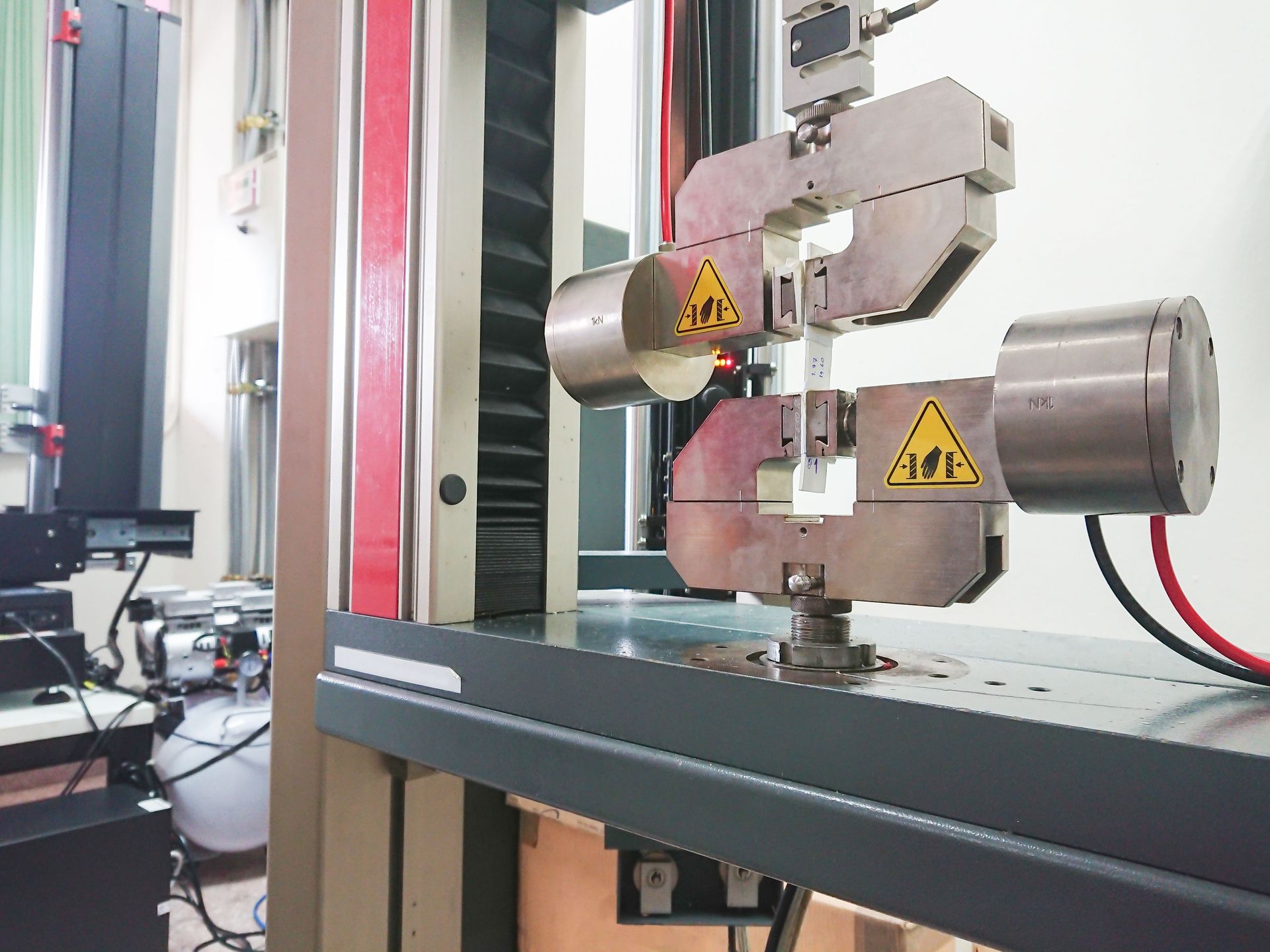
Accurate laboratory testing evaluates material compatibility across simulated field conditions. Potentiodynamic polarization testing, electrochemical impedance spectroscopy, and salt spray exposure tests provide detailed data regarding active corrosion rates and passivating film performance. According to Buzzfile, the broader metallurgical testing laboratory industry includes about 170 companies nationwide, offering critical analytical infrastructure to validate material selections. Utilizing experienced corrosion testing companies ensures that field equipment complies with stringent safety standards and industry performance mandates.
Standardized documentation tracks inspection findings across an asset's operational lifecycle. Digital reporting platforms archive electrochemical measurements, maintenance schedules, and ultrasonic thickness logs, establishing transparent baseline metrics for engineering teams. Detailed documentation enables predictive maintenance strategies, helping operators repair localized damage proactively and minimize expensive emergency shutdowns.
Implementing Material Selection Strategies
Selecting compatible materials during the initial design phase represents the most reliable defense against galvanic degradation. Engineers should specify metals that sit adjacent to one another on the galvanic series, minimizing the electrical potential difference across connected components. When metallic variation is unavoidable, transitioning to non-metallic alternatives—such as high-density polymers, structural ceramics, or advanced composites—eliminates the conductive path necessary for galvanic action.
Applying specialized protective coatings provides a physical barrier that isolates metal surfaces from ambient moisture and conductive liquids. Epoxy linings, polyurethane topcoats, and specialized powder coatings prevent the electrolyte from bridging the gap between dissimilar metals. Maintaining continuous coating integrity across both anodic and cathodic surfaces prevents localized accelerated attack on exposed metal sections.
Inserting electrical insulators between dissimilar components effectively disrupts the galvanic circuit. Polymeric gaskets, non-conductive washers, and insulated pipe sleeves prevent direct metal-to-metal contact at flanged connections and bolted joints. These durable isolating materials block electron flow while maintaining full mechanical joint integrity under heavy operational loads.
Integrating intelligent design principles reduces electrolyte accumulation around vulnerable metal joints. Designing self-draining structural slopes, avoiding crevices that trap standing water, and specifying continuous full-penetration welds rather than mechanical lap joints mitigate localized galvanic activity. Leading corrosion testing companies collaborate with design engineers to evaluate these structural geometries, ensuring that joint configurations minimize fluid retention and environmental exposure.
Deploying Advanced Technological Solutions
Ongoing research into advanced barrier materials has yielded high-performance nanocomposite coatings and self-healing polymeric films. These modern coatings incorporate micro-encapsulated corrosion inhibitors that rupture upon mechanical damage, automatically sealing surface scratches and maintaining isolation between dissimilar metals. Furthermore, hydrophobic surface treatments repel water molecules entirely, preventing electrolyte films from forming on critical metal interfaces.
Electrodeposition techniques apply highly uniform protective metal layers to complex component geometries through controlled electrochemical baths. By precisely managing current density and solution chemistry, operators apply thin, highly adherent protective coatings like cadmium, zinc-nickel, or chrome plating. These sacrificial or noble surface layers shield underlying structural metals from direct galvanic exposure.
Integrating smart monitoring networks enables real-time tracking of active corrosion metrics within critical industrial infrastructure. Wireless sensors embedded around buried pipelines, off-shore platforms, and aircraft airframes continuously measure localized current flow, humidity levels, and electrical potential shifts. By transmitting live operational data to centralized predictive maintenance software, smart systems alert technicians to active galvanic cells long before structural integrity is compromised.
Emerging metallurgical research continues to yield novel metal matrix composites and ultra-fine-grained alloys engineered for intrinsic galvanic resistance. Developing specialized amorphous alloys that lack traditional grain boundaries significantly reduces localized galvanic reactivity. To validate these cutting-edge materials, industrial manufacturers regularly contract third-party corrosion testing companies to evaluate alloy performance across accelerated environmental chambers.
Understanding and preventing galvanic corrosion is essential for maintaining the safety, structural integrity, and economic viability of modern industrial infrastructure. By carefully analyzing electrochemical potentials, installing non-conductive isolation materials, applying advanced protective coatings, and consulting certified corrosion testing companies, engineers can eliminate destructive galvanic circuits across complex mechanical assemblies. Investing in proactive material selection and regular environmental monitoring prevents unexpected equipment failures and secures long-term asset performance. To protect your critical metal structures with advanced analytical evaluations and precise material testing, contact Corrosion Testing Laboratories, Inc. today to consult with experienced metallurgical specialists.