October 23, 2026
Material selection is a critical part of engineering because the materials chosen for a component, structure, or system can influence performance, durability, safety, maintenance requirements, and long-term costs. Selecting a material based solely on its initial price or basic mechanical properties can create unexpected challenges when that material is exposed to demanding operating conditions. Temperature, moisture, chemicals, stress, and other environmental factors may all affect how well a material performs over time.
Engineering consulting services help organizations evaluate these variables before committing to important material decisions. Engineers can assess expected service conditions, compare material characteristics, identify potential degradation mechanisms, and recommend options that align with the needs of a particular application. This technical guidance allows project teams to make material choices based on a broader understanding of performance rather than assumptions or short-term considerations.
Evaluating Material Performance Requirements
Every engineering application places different demands on the materials involved. A material that performs reliably in a controlled indoor environment may behave very differently when exposed to saltwater, industrial chemicals, extreme temperatures, or repeated mechanical stress. Before selecting materials, engineers need to understand the environment in which a component will operate and the types of loads or exposures it may encounter.
Professional consulting services can help define these performance requirements in detail. Engineers may consider mechanical strength, hardness, toughness, thermal behavior, chemical resistance, and other characteristics that influence suitability. They can also examine whether a material needs to tolerate continuous exposure to challenging conditions or only occasional contact with potentially damaging substances.
Assessing Material Corrosion Risks
Corrosion is an important consideration in material selection because it can gradually compromise equipment, structures, and components. The type and severity of corrosion can depend on the material itself, the surrounding environment, design details, and interactions with other materials. Moisture, salts, chemicals, temperature fluctuations, and electrical conditions can all contribute to degradation.
The economic implications can also be substantial. According to the United States Naval Academy, corrosion is responsible for losses ranging from $8 billion to $126 billion in the U.S. This wide-ranging financial impact illustrates why corrosion resistance should be evaluated carefully when selecting materials for applications where environmental exposure is a concern.
Engineering consulting services can support this evaluation by examining likely corrosion mechanisms and determining how candidate materials may respond. Instead of treating corrosion resistance as a general material characteristic, engineers can consider the specific conditions associated with the intended application. This provides a more meaningful basis for comparing materials.
A detailed corrosion assessment may also reveal concerns that are not obvious during an initial review. Certain materials can perform well independently but experience problems when placed in contact with dissimilar materials. Surface conditions, fabrication methods, and localized environmental conditions may also affect behavior. Identifying these possibilities during material selection can help organizations make more informed decisions before equipment enters service.
Comparing Material Testing Results
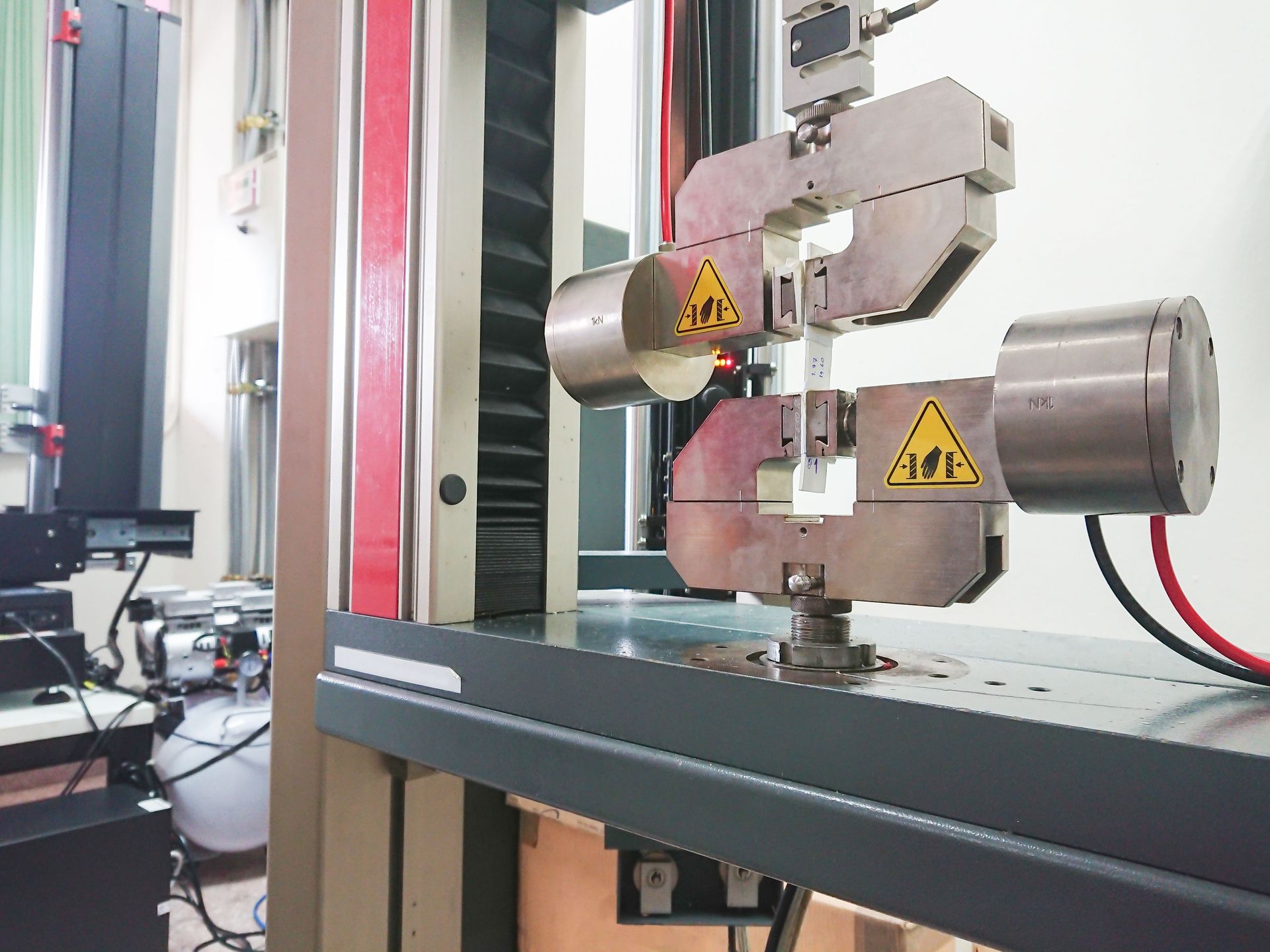
Published material properties provide useful information, but engineering projects may require more specific evidence about how a material will behave under relevant conditions. Testing can help determine whether candidate materials meet performance expectations and can provide data for comparing options more accurately.
Through consulting services, organizations can determine which material characteristics deserve closer examination based on the intended application. Testing and analysis may focus on corrosion behavior, mechanical properties, environmental resistance, coatings, or other factors that could influence service performance. Engineers can then interpret the results in the context of the project’s requirements.
This interpretation is important because laboratory data does not automatically translate into a straightforward material decision. Results need to be considered alongside operating conditions, component design, manufacturing processes, and anticipated exposure. An experienced engineer can help distinguish between differences that are practically significant and those that are unlikely to affect the application.
Testing can also provide valuable information when an organization is considering an unfamiliar material or comparing alternatives to an established option. Rather than relying entirely on generalized specifications, teams can use relevant technical evidence to evaluate whether a proposed material provides the characteristics needed for the project.
Balancing Material Cost and Longevity
Material selection often involves balancing initial expenses with long-term performance. Choosing the least expensive material may reduce immediate project costs, but those savings can diminish if the material requires frequent maintenance, experiences premature degradation, or needs early replacement. Conversely, selecting the most expensive option does not automatically guarantee that it is the best fit.
Engineering consulting services can help organizations examine cost within the broader context of service life and performance. Engineers can evaluate whether additional material costs are justified by improved durability, reduced maintenance requirements, or greater resistance to expected environmental conditions. They can also identify situations where a less costly material may perform adequately without introducing unnecessary risk.
This perspective encourages organizations to consider lifecycle implications rather than focusing exclusively on procurement costs. Material choices can affect inspection schedules, maintenance planning, operational interruptions, and replacement needs. These factors may influence the overall economic impact of a decision long after the initial purchase.
The goal is not simply to select a material expected to last as long as possible. Instead, engineers can help identify materials that provide an appropriate balance of reliability, performance, availability, and cost for the intended application. This approach can support both technical objectives and responsible resource allocation.
Improving Material Compatibility Decisions
Materials rarely function in complete isolation. Components may contact other metals, coatings, seals, process fluids, fasteners, or structural materials. These interactions can influence overall performance and may introduce problems even when each material appears appropriate on its own.
Engineering consulting services can help evaluate compatibility between materials and the surrounding system. Engineers may assess whether material combinations could create conditions that accelerate corrosion, weaken protective surfaces, or otherwise affect reliability. They can also consider how fabrication, joining, and finishing processes may alter material behavior.
Compatibility analysis is particularly important when an existing system is being modified. Introducing a new material into established equipment may change environmental or electrochemical conditions in ways that were not present in the original design. Reviewing those interactions before implementation can reduce the likelihood of unexpected performance issues.
This broader system perspective can improve material selection by moving the decision beyond isolated specifications. A material must not only possess desirable properties but also function effectively alongside the other elements of the application.
Strengthening Material Selection Strategies
Effective material selection benefits from a structured engineering perspective that considers both immediate requirements and future operating conditions. Projects can become more complicated when materials are selected before environmental exposures, performance expectations, and compatibility concerns have been thoroughly evaluated.
Professional consulting services give organizations access to technical expertise that can strengthen this decision-making process. Engineers can review available information, identify uncertainties, interpret testing data, and compare candidate materials based on the factors most relevant to the application. Their analysis can also help project teams document the reasoning behind important material decisions.
This type of technical support can be valuable during new designs, equipment modifications, material substitutions, failure investigations, and other situations where material performance matters. When decisions are supported by engineering analysis, organizations are better positioned to anticipate potential problems instead of responding to them after they affect operations.
Material selection ultimately requires more than identifying a product with suitable specifications. It involves understanding how materials behave within a particular environment and system. By considering corrosion risks, compatibility, testing data, lifecycle costs, and performance requirements together, organizations can make choices that better support reliability and long-term project objectives.
Choosing Material Solutions With Confidence
Better material selection begins with understanding what a material will encounter throughout its service life. Environmental exposure, mechanical demands, corrosion potential, compatibility, and maintenance expectations can all influence whether a particular option is appropriate. Evaluating these considerations together provides a stronger foundation for engineering decisions.
The right consulting services can help organizations transform technical information into practical material recommendations. At Corrosion Testing Laboratories, Inc, we use our experience to help clients evaluate material performance and corrosion concerns with greater confidence. Contact us to learn how our engineering expertise can support your material selection needs.