October 18, 2026
Industrial infrastructure forms the backbone of modern economies. Facilities such as power plants, refineries, and manufacturing centers endure immense stress from harsh environments and continuous operation. Over time, materials degrade, structures weaken, and equipment experiences wear. Without proactive oversight, minor defects escalate into catastrophic failures. Facility managers face immense pressure to maintain uninterrupted production. A routine condition assessment serves as a critical tool to identify vulnerabilities before they disrupt operations.
Implementing systematic evaluation processes allows organizations to transition from reactive responses to proactive management. Waiting for components to fail causes extensive downtime and immense financial loss. Regular inspections provide actionable data regarding asset health and remaining life. Decision-makers utilize this information to prioritize repairs and allocate resources with precision. These routine evaluations protect capital investments and guarantee long-term stability across various industrial sectors.
Safeguarding Structural Integrity
The physical framework of any industrial facility requires constant vigilance. Steel beams, concrete foundations, and pipelines face continuous exposure to moisture, chemicals, and extreme temperatures. These elements accelerate material degradation and compromise structural strength. A comprehensive condition assessment reveals hidden decay, microscopic cracks, and internal thinning. Engineers rely on these insights to execute targeted interventions. Maintaining structural soundness prevents catastrophic industrial accidents and protects the surrounding environment.
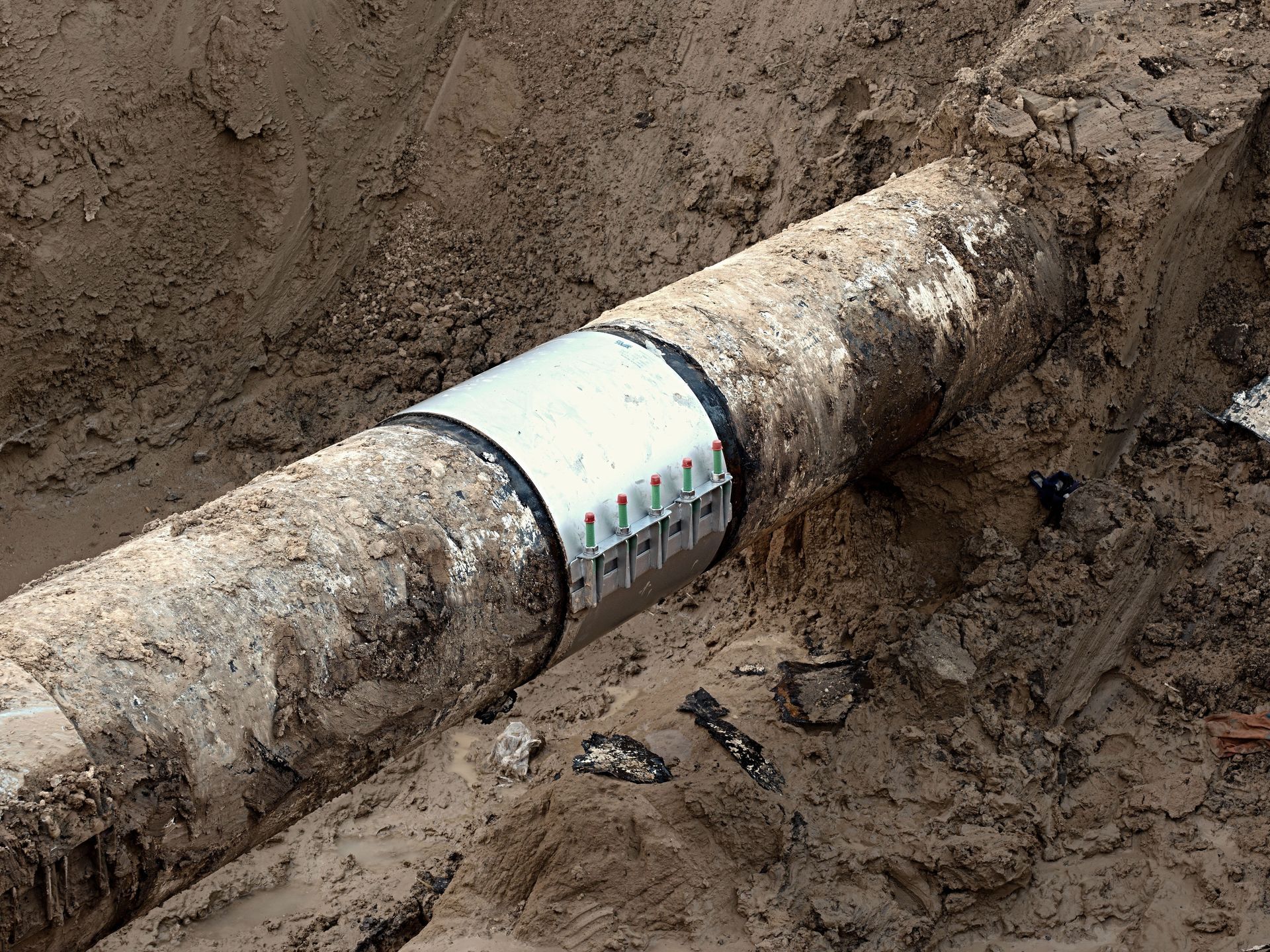
Corrosion poses a massive threat to industrial components. Pipelines and storage tanks remain vulnerable to rust and chemical erosion. Left unchecked, structural decay leads to severe leaks and extensive property damage. Monitoring these vulnerabilities demands specialized attention and precise measurement tools. According to Future Market Insights, the corrosion testing services market had an estimated value of $3.3 billion in 2025 and is expected to reach $5.5 billion by 2035.
Uncovering subsurface anomalies requires advanced diagnostic techniques. Non-destructive testing methods allow inspectors to evaluate thick concrete and solid metal without causing damage. Ultrasonic waves and radiographic imaging penetrate deep within materials to detect microscopic faults. These advanced diagnostics offer clear pictures of internal asset health. Identifying such invisible threats preserves the core infrastructure. Facilities that prioritize these structural evaluations avoid sudden operational halts.
Surface inspections also play a vital role in maintaining asset integrity. Visual evaluations detect peeling paint, minor surface cracks, and early signs of material fatigue. Addressing superficial wear prevents moisture intrusion and subsequent internal decay. Prompt remediation of exterior damage acts as a protective barrier for internal components. Structural longevity depends upon this combination of interior diagnostics and exterior evaluations. Consistent attention reinforces the entire facility framework.
Optimizing Maintenance Strategies
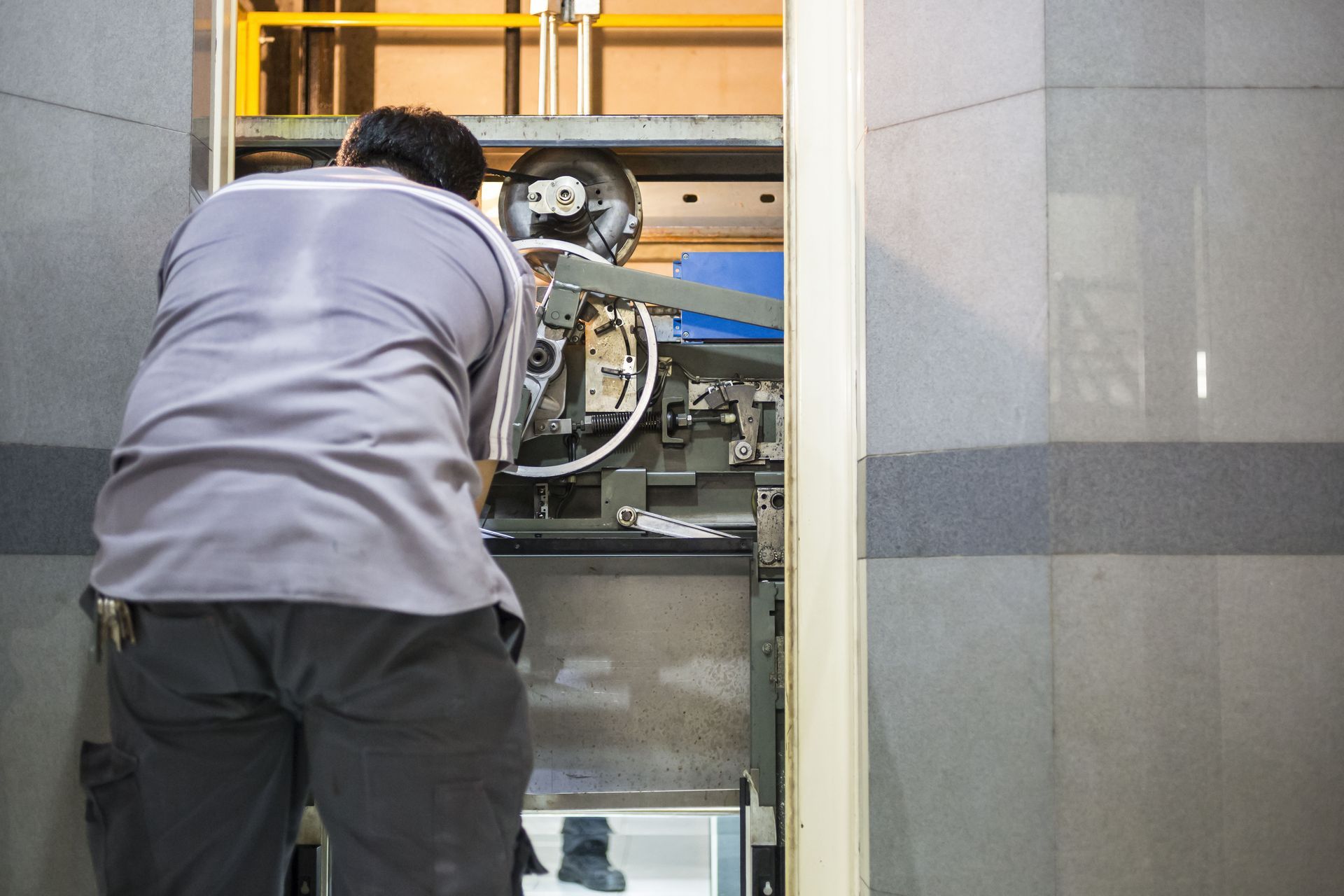
Reactive maintenance drains financial resources and creates unpredictable workflows. Fixing machinery after a breakdown demands expensive emergency parts and rushed labor. Production grinds to a halt while crews scramble to restore functionality. Organizations lose massive revenue during these unplanned outages. Implementing a routine condition assessment transforms maintenance from a chaotic emergency response into a planned process. Foreknowledge of equipment wear empowers teams to schedule repairs during designated downtime.
Predictive maintenance relies upon accurate data collection. Analyzing vibration patterns, thermal signatures, and acoustic emissions helps technicians predict component lifespans. Knowing when a bearing might fail or a valve might leak allows for precise parts ordering. Inventory management becomes streamlined because warehouses avoid stocking endless spare parts. Facilities save money by keeping proper components on hand, which eliminates wasteful spending and streamlines administration.
Scheduling planned outages requires immense coordination across various departments. Facility leaders must balance production quotas with necessary equipment servicing. Regular health evaluations provide the exact timeframe needed for specific repairs. Managers align these maintenance windows with periods of low market demand to minimize financial impact. Coordinated planning ensures that technicians complete all necessary work. Such deliberate scheduling maximizes workforce efficiency and reduces overall maintenance overhead.
Extending the usable life of expensive industrial machinery remains a top priority for corporate stakeholders. Replacing massive turbines or custom manufacturing lines requires massive capital expenditure. Incremental repairs based on accurate health data keep existing equipment running at peak performance. Preventing minor friction from becoming major mechanical failure pushes the replacement date further into the future. Maximized asset longevity translates into higher corporate profitability and distinct competitive advantage.
Enhancing Operational Safety
Industrial environments contain inherent hazards that threaten personnel and local communities. High-pressure systems, volatile chemicals, and heavy machinery create substantial risks during daily operations. Equipment malfunctions near these hazards can cause explosive outcomes and severe injuries. Protecting human life is the highest priority for any industrial enterprise. A detailed condition assessment identifies the precise locations where safety risks remain elevated. Proactive risk identification isolates dangerous equipment.
Worker confidence depends upon a secure physical environment. Employees performing duties near massive boilers or toxic chemical vats need assurance that the equipment remains stable. Unstable infrastructure causes anxiety and reduces workforce productivity. Visible inspection routines demonstrate a corporate commitment to personnel safety. Staff members perform their duties with greater focus when they know the surrounding machinery receives consistent evaluation. A secure workplace diminishes employee turnover.
Environmental disasters often stem from neglected industrial infrastructure. Ruptured pipelines or failing storage tanks release pollutants into local waterways and soil. These spills devastate local ecosystems and cause massive ecological harm. Routine evaluations detect the thinning walls and weak joints that precede such toxic releases. Preventing environmental contamination protects local wildlife and preserves natural resources. Industrial operators bear a massive responsibility to prevent hazardous material exposure.
Emergency response teams utilize health evaluation data to formulate crisis plans. Knowing the precise location of weak structural points helps planners map safe evacuation routes. Firefighters and hazardous material crews require accurate facility profiles to navigate the site during a crisis. Up-to-date equipment logs provide these critical details to local emergency personnel. Proper documentation transforms chaotic emergency scenarios into manageable rescue efforts. Preparedness remains the strongest defense.
Ensuring Regulatory Compliance
Government agencies impose strict regulations upon industrial facilities to protect public welfare. Operations must adhere to exact standards regarding emissions, structural stability, and workplace safety. Failing to meet these mandates results in severe penalties and potential facility closure. Navigating this complex regulatory landscape requires meticulous record-keeping and undeniable proof of equipment stability. A standardized condition assessment provides the exact documentation needed to satisfy aggressive regulatory auditors.
Insurance providers demand rigorous proof of facility maintenance. Covering massive industrial complexes involves substantial financial risk for underwriting companies. Insurers require tangible evidence that owners mitigate potential disasters. Lacking sufficient evaluation records causes insurance premiums to skyrocket. Maintaining detailed health logs keeps insurance costs manageable and ensures coverage remains active during critical incidents. Corporate finance departments rely on these consistent maintenance practices to control overhead expenses.
International quality standards dictate specific evaluation intervals for various industrial components. Achieving global certifications requires adherence to these predetermined inspection schedules. Maintaining a recognized certification allows companies to bid on international projects and expand global market reach. Falling behind on inspection routines jeopardizes these valuable corporate credentials. Global competitiveness requires a steadfast dedication to organized facility evaluations. Expanding into new markets demands strict adherence to standards.
Audit preparation consumes vast amounts of administrative energy. Scrambling to locate missing maintenance logs creates immense stress for facility managers. Establishing an ongoing routine of evaluation and documentation eliminates this audit panic. Organized digital databases store historical equipment data for instant retrieval. Presenting auditors with clear asset health reports expedites the review process and solidifies corporate credibility. Smooth audits allow administrative teams to focus on core business objectives.
The complexities of modern industrial operations demand unwavering attention to physical infrastructure. Ignoring the gradual wear of mechanical and structural components invites catastrophic failure. Facilities that embrace proactive evaluations operate with greater efficiency, superior safety, and immense financial stability. Moving away from reactive repairs saves capital and protects invaluable human lives. The overarching value of a routine condition assessment becomes undeniable when viewing the long-term success of an enterprise. We invite you to contact us at Corrosion Testing Laboratories, Inc to schedule a thorough condition assessment of your facility. Let us help you transition from reactive repairs to proactive asset management to safeguard your critical infrastructure.