October 23, 2026
Every product that contains metal, from automotive parts and medical devices to electronics, pipelines, and building materials, faces a common threat: corrosion. Over time, exposure to moisture, salt, chemicals, temperature changes, and other environmental factors can weaken materials, damage coatings, and cause components to fail. When corrosion shows up after a product reaches the market, the results can include costly recalls, warranty claims, safety risks, and damage to a company's reputation. That's why corrosion testing has become an essential part of product development. By evaluating how materials and finishes hold up under real-world and accelerated conditions, manufacturers can make smarter design decisions and bring more reliable products to market.
Understanding What Corrosion Testing Involves
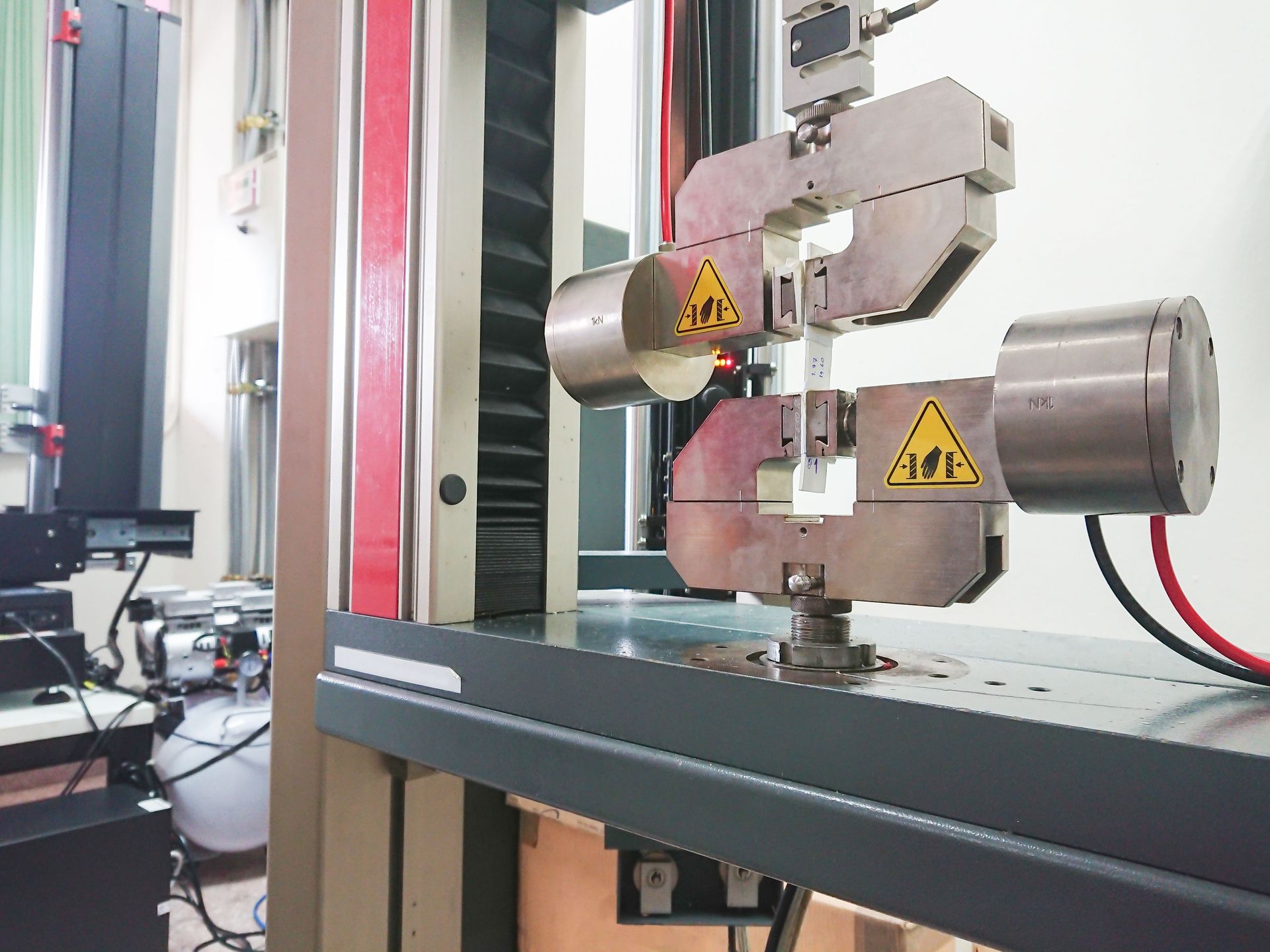
Corrosion testing is the process of exposing materials, coatings, or finished components to controlled conditions to see how they resist deterioration. These tests may simulate years of exposure in a matter of days or weeks, helping engineers predict how a product will perform over its expected lifespan. Testing can measure weight loss, pitting, coating breakdown, changes in appearance, and loss of mechanical strength. Results help determine whether a material is suitable for its intended environment or whether design changes are needed. Because every product faces different conditions, testing plans are often customized based on how and where the product will be used. Working with a local corrosion testing company like ours allows manufacturers to develop testing programs that reflect their specific applications. Clear test plans also make it easier to compare results across product versions as designs evolve.
Selecting the Right Materials Early
One of the most valuable roles corrosion testing plays is guiding material selection during the early stages of development. Engineers often have several metals, alloys, or coatings to choose from, each with different costs, strengths, and levels of corrosion resistance. Stainless steels, aluminum alloys, carbon steels, and specialty metals all behave differently depending on the environment. Testing helps compare options side by side, making it easier to choose materials that balance performance, durability, and budget. Identifying the right material early in the process can prevent expensive redesigns later and reduce the risk of failures once the product is in use. Testing can also uncover opportunities to use less expensive materials without sacrificing performance, helping manufacturers control production costs.
Validating Coatings and Surface Treatments
Many products rely on protective coatings, platings, or surface treatments to resist corrosion. Paints, powder coatings, galvanizing, anodizing, and other finishes can extend the life of metal components, but only if they're applied correctly and perform as expected. Corrosion testing helps verify that these protective layers hold up under exposure to moisture, salt, chemicals, and UV light. Tests can reveal issues like blistering, peeling, undercutting, or premature breakdown before products are shipped to customers. This information allows manufacturers to adjust coating thickness, change suppliers, or improve application processes to achieve better results. A local corrosion testing company like ours can work closely with production teams to evaluate coating performance throughout development.
Simulating Real-World Environments
Products are often used in harsh or unpredictable conditions. Automotive components face road salt and moisture, marine equipment is exposed to saltwater, and industrial parts may encounter chemicals or high temperatures. Corrosion testing uses specialized methods to simulate these environments in a controlled setting. Salt spray testing, cyclic corrosion testing, humidity exposure, immersion testing, and electrochemical methods are just a few of the approaches used to evaluate performance. Some tests also examine how different metals interact when they're in contact, since galvanic corrosion can occur when dissimilar metals are joined. Accurately simulating real-world conditions helps engineers understand how products will hold up over time and where improvements may be needed. Test conditions can often be adjusted to match specific climates, chemical exposures, or operating temperatures for even more relevant results.
Meeting Industry Standards and Regulations
Many industries require products to meet specific corrosion resistance standards before they can be sold or used. Organizations such as ASTM International, ISO, and various industry groups publish testing methods and performance criteria for materials and coatings. Automotive, aerospace, oil and gas, medical, and infrastructure sectors often have particularly strict requirements. Regulatory compliance is a major driver of demand for corrosion services. According to GlobeNewswire, North America accounted for about 38% of the global corrosion-monitoring market in 2023, largely due to the U.S. focus on regulatory compliance and support for aging infrastructure. Partnering with a local corrosion testing company like ours helps manufacturers confirm their products meet applicable standards and provides documentation needed for certifications and customer requirements.
Investigating Failures and Root Causes
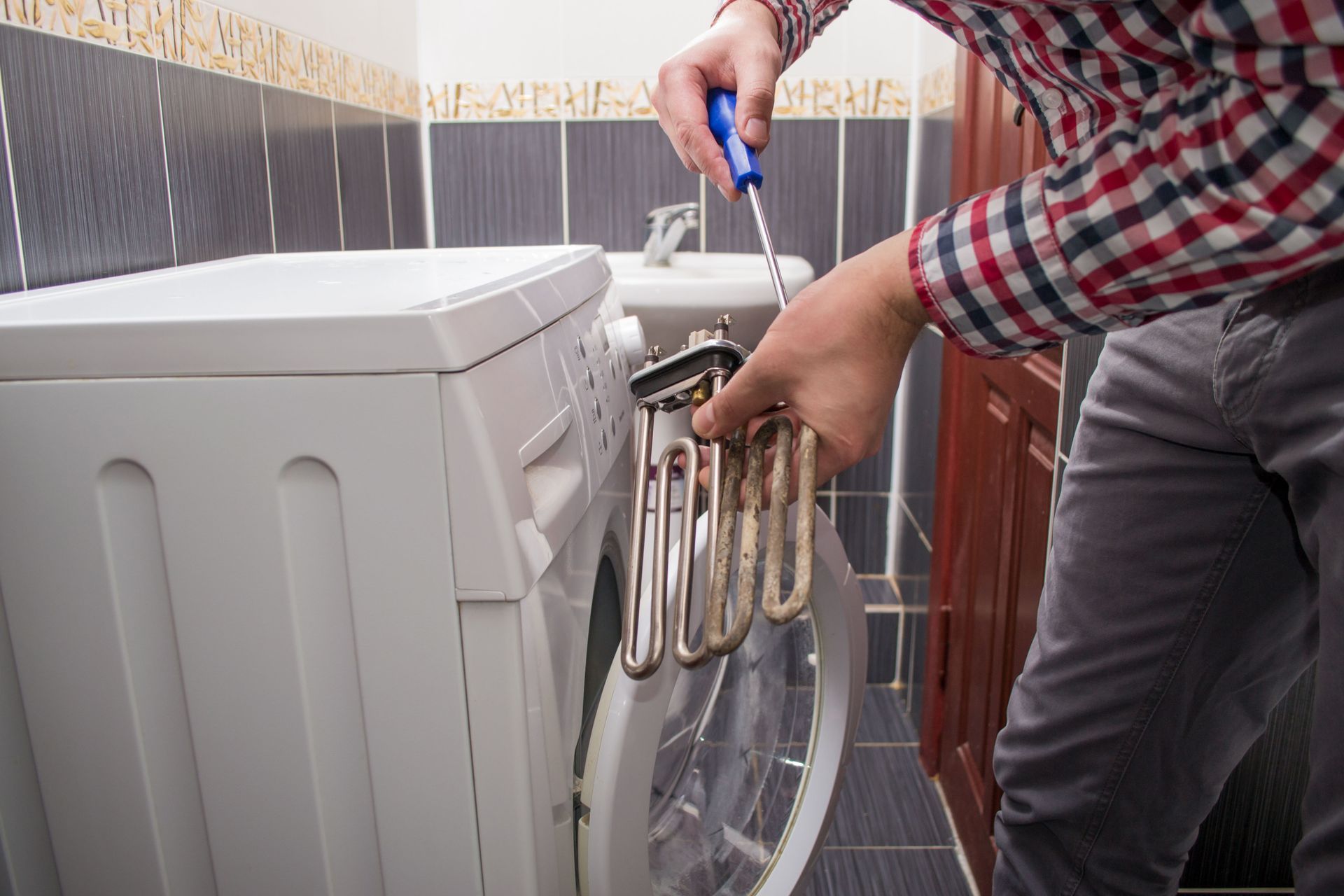
Even with careful planning, corrosion-related failures can still occur. When a component fails in the field or during testing, understanding why is essential to preventing it from happening again. Failure analysis combines corrosion testing with microscopic examination, chemical analysis, and other techniques to identify the root cause. The problem might stem from material defects, improper heat treatment, poor coating application, design flaws that trap moisture, or exposure to unexpected chemicals. Once the cause is identified, engineers can make targeted changes to materials, designs, or manufacturing processes. This insight helps reduce future failures and improves the overall quality of the product line. Documented findings can also support conversations with suppliers, customers, and insurers when questions arise about what went wrong.
Reducing Costs and Protecting Brand Reputation
Corrosion testing may add time and expense during development, but it often saves money in the long run. Fixing problems before products reach customers is far less costly than handling recalls, warranty repairs, replacements, or legal claims. Corrosion failures can also create safety hazards, especially in industries like transportation, medical devices, energy, and construction. Beyond financial costs, product failures can damage a company's reputation and erode customer trust. Investing in thorough testing helps manufacturers deliver durable, dependable products that customers can rely on. As a local corrosion testing company, we understand how valuable reliable data is for protecting both product quality and brand reputation.
Speeding Up the Development Timeline
While it might seem that testing slows down product development, it often has the opposite effect. Accelerated corrosion testing allows engineers to gather performance data quickly rather than waiting years to see how products perform in the field. Early test results can guide design decisions, reduce the number of prototypes needed, and prevent late-stage surprises that delay launch dates. Working with a local corrosion testing company like ours also makes communication easier, allowing samples to be delivered quickly and results to be discussed in detail. Faster feedback means faster improvements, helping manufacturers stay competitive and bring better products to market sooner. Reliable early data also builds confidence among stakeholders and decision-makers.
At Corrosion Testing Laboratories, Inc, we help manufacturers, engineers, and product developers make confident decisions about materials, coatings, and designs. Our experienced team provides corrosion testing and analysis that reveal how products will perform in real-world environments, helping you identify potential issues before they become costly problems. As a
local corrosion testing company, we work closely with clients to develop testing programs tailored to their products, industries, and compliance needs. From material selection and coating evaluation to failure analysis, we deliver accurate, reliable results backed by expertise. Contact Corrosion Testing Laboratories, Inc today to discuss your project and learn how our testing services can support your product development goals.