June 12, 2026
Infrastructure failures rarely happen without warning — they develop through a process of gradual deterioration that goes undetected until a critical threshold is crossed and the consequences become unavoidable. Understanding why a component or system failed is just as important as repairing it, because without that knowledge, the same failure is likely to repeat under the same conditions. Professional failure analysis transforms a costly incident into a source of actionable information that protects future projects, guides material decisions, and strengthens long-term performance planning across any industry that depends on reliable infrastructure. The difference between a project that learns from failure and one that simply recovers from it often comes down to the quality and depth of the analysis performed afterward.
Understanding the Scale of Infrastructure Corrosion Challenges
According to DuraPol, a specialized polymer resource, about 30% of U.S. infrastructure is affected by corrosion, which illustrates just how widespread and serious this degradation mechanism has become across the built environment. A local infrastructure failure analysis that identifies corrosion as the root cause gives engineers and project managers the information they need to intervene before additional components reach the same critical state. Without that analysis, organizations often replace failed parts with identical materials under identical conditions, creating a cycle of repeat failures that erodes budgets and confidence in the integrity of the broader system. Corrosion-focused failure analysis breaks that cycle by identifying the environmental, chemical, and mechanical factors that accelerated the material's decline.
Identifying Root Causes Rather Than Surface-Level Symptoms
A failed pipe, beam, or structural component tells only part of the story — understanding why it failed requires a systematic investigation that looks beyond the visible damage to examine the mechanisms operating beneath the surface. An infrastructure failure analysis uses advanced laboratory techniques to distinguish between corrosion types, stress-related cracking, material deficiencies, and improper installation as potential contributors to the failure event. Without this depth of investigation, engineers are left making educated guesses about the cause, which often leads to corrective actions that address the symptom without resolving the underlying mechanism driving the deterioration. Root cause identification is the foundation of any lasting solution, and professional failure analysis delivers that foundation with the precision and documentation that complex infrastructure projects require.
Supporting Better Material Selection for Future Projects
One of the most valuable outcomes of infrastructure failure analysis is the material performance data it generates, which directly informs smarter choices for current repairs and future construction in similar service environments. A local infrastructure failure analysis examines the composition, microstructure, and degradation pattern of failed components to determine whether the original material selection was appropriate for the actual operating conditions it encountered throughout its service life. Material selection consulting informed by real failure data eliminates the guesswork from specification decisions and reduces the likelihood of selecting a material that will underperform under the specific chemical, thermal, or mechanical conditions present at the project site. Organizations that apply these insights consistently develop a stronger understanding of how material choices interact with their unique service environments over time.
Applying Infrastructure Testing to Prevent Future Failures
Failure analysis and proactive infrastructure testing work best as complementary disciplines that together create a comprehensive picture of system health and material behavior under real-world operating conditions. A local infrastructure failure analysis often reveals previously unidentified vulnerabilities in adjacent components that have not yet failed but are progressing toward the same endpoint under the same degradation mechanisms. Infrastructure testing services that follow a failure analysis investigation give project teams the data they need to prioritize inspections, schedule interventions, and allocate maintenance resources to the areas of greatest risk before a second failure event occurs. This proactive integration of testing and analysis is one of the most cost-effective strategies available for managing the long-term integrity of complex infrastructure systems.
Using Material Characterization to Deepen the Investigation
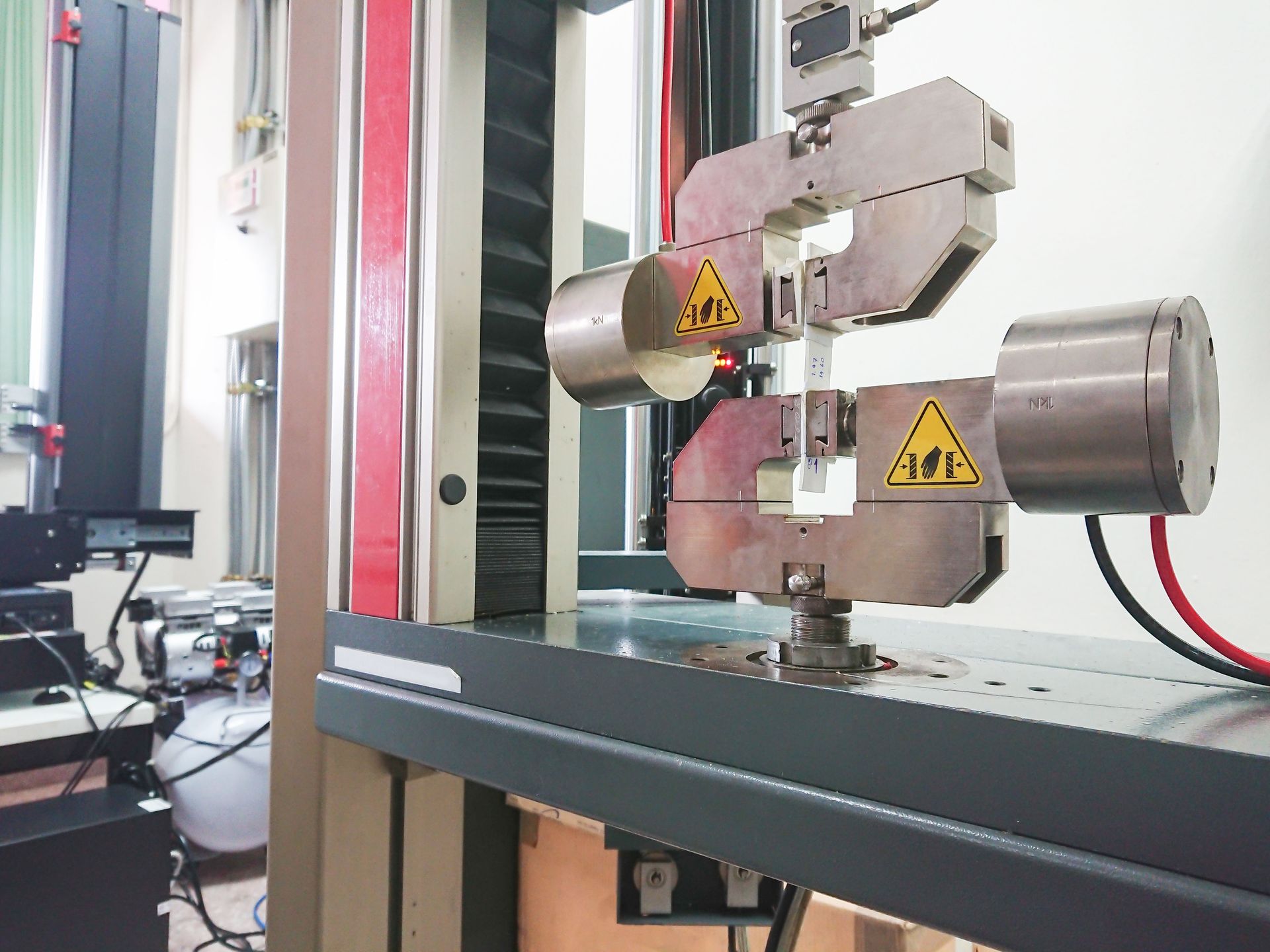
Advanced material characterization techniques provide the analytical depth that separates a thorough failure investigation from a surface-level assessment that misses critical details hidden within the microstructure and chemistry of the failed component. An infrastructure failure analysis that incorporates scanning electron microscopy, X-ray diffraction, metallography, energy dispersive X-ray spectroscopy, and ion chromatography produces a comprehensive chemical and structural profile of the failure that supports confident conclusions about both mechanism and origin. These techniques allow investigators to detect subtle features such as intergranular corrosion, stress corrosion cracking initiation sites, and localized chemical contamination that would be invisible to any examination conducted without specialized laboratory equipment. The specificity of this data elevates the quality of every corrective and preventive action that follows the analysis.
Conducting Field Services to Connect Laboratory Findings to Site Conditions
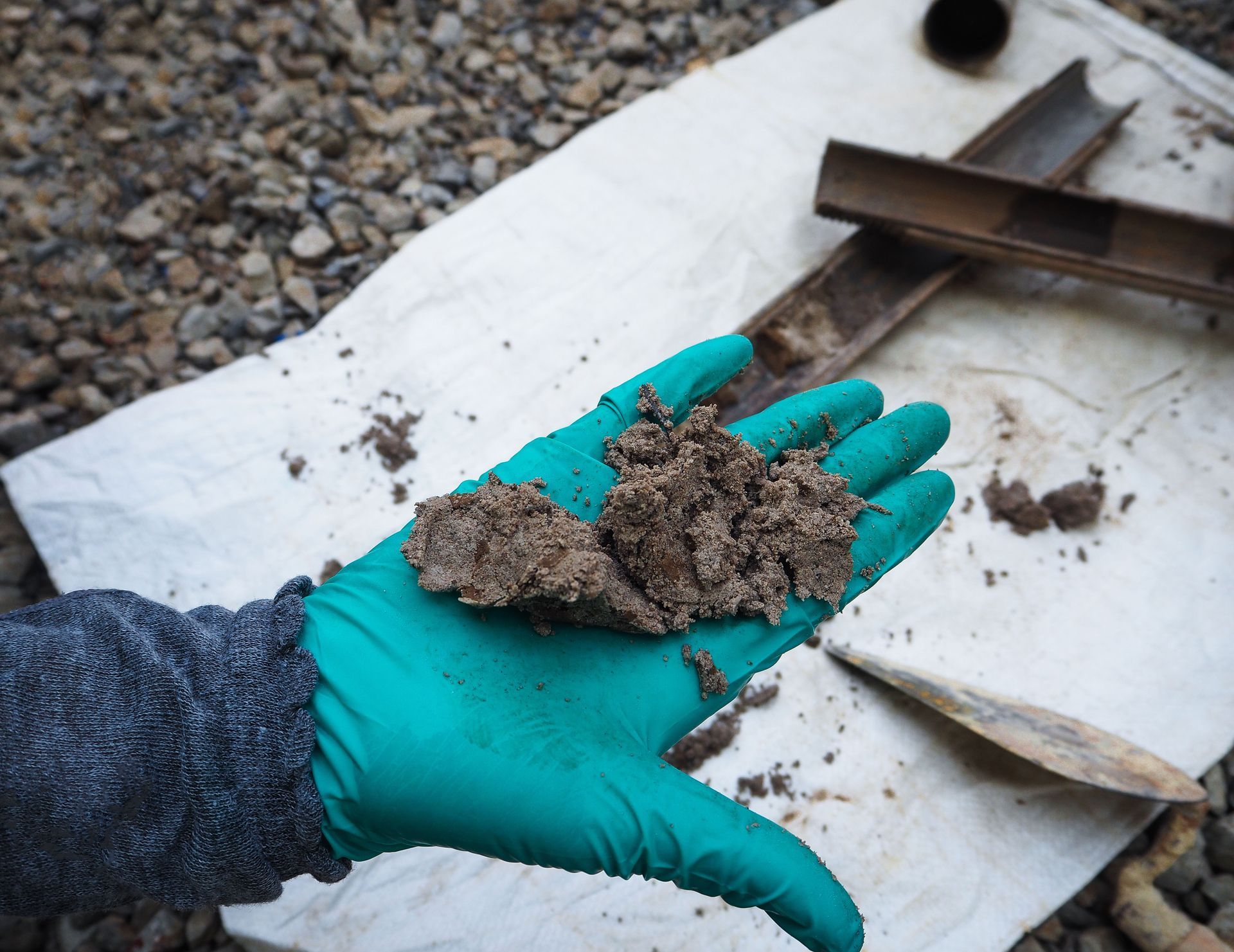
Laboratory analysis alone does not always capture the full picture of an infrastructure failure, particularly when the service environment, installation quality, and operational history of the component play significant roles in how the failure developed over time. A local infrastructure failure analysis that integrates field services gives investigators direct access to the site conditions, surrounding materials, and environmental exposures that contributed to the failure alongside the metallurgical and chemical factors identified in the laboratory. Field observations allow engineers to assess whether corrosion protection systems were functioning correctly, whether drainage or moisture accumulation created localized conditions that accelerated deterioration, and whether installation practices introduced stress concentrations or material incompatibilities that contributed to the eventual failure. Combining laboratory precision with field-level context produces the most complete and defensible failure analysis possible for any infrastructure project.
Providing Water and Wastewater Failure Analysis for Critical Systems
Water and wastewater infrastructure operates under particularly demanding conditions, combining aggressive chemical environments, continuous flow, high pressures, and the critical public health implications of any system failure that compromises water quality or service delivery. A local infrastructure failure analysis for water and wastewater systems identifies the specific corrosion mechanisms, microbiological influences, and material incompatibilities that cause failures in pipes, treatment equipment, and distribution components that serve communities and industrial facilities alike. Water and wastewater failure analysis services that combine electrochemistry testing, chemical analysis, and microbiological evaluation produce the comprehensive evidence base needed to design effective remediation strategies and prevent repeat failures in systems where reliability is non-negotiable. Organizations responsible for maintaining water infrastructure benefit significantly from having a specialized laboratory partner with the expertise and equipment to investigate failures at the level of precision these critical systems demand.
Infrastructure failure analysis is one of the most impactful investments a project team or asset owner can make in the long-term safety, reliability, and performance of the systems they are responsible for managing. From identifying root causes and supporting material selection to conducting field investigations and delivering actionable reports, professional failure analysis transforms failure events into lasting improvements that protect every future project from repeating the same preventable mistakes. The organizations that take this process seriously consistently build stronger systems, make better decisions, and extend the productive life of their infrastructure assets far beyond what reactive maintenance approaches can achieve. Corrosion Testing Laboratories, Inc. has proudly served clients worldwide from their facility in Newark, DE since 1984, offering local infrastructure failure analysis, infrastructure testing, condition assessments, material characterization, field services, corrosion expertise, material selection consulting, water and wastewater failure analysis, and a full range of industry-specific testing services, all backed by AMPP-certified personnel, over 80 years of combined experience, free estimates within 24 to 48 hours, most services completed within three to four weeks, and expedited services available for time-sensitive projects. For more information, contact us today!