October 9, 2026
Equipment can appear to be operating normally while deterioration is already developing beneath the surface. Corrosion, wear, cracking, leaks, fatigue, and other forms of damage can gradually weaken equipment and its components, potentially leading to unexpected downtime, expensive repairs, or premature replacement. Identifying these problems early gives businesses an opportunity to address developing issues before they become more disruptive. A condition assessment provides a structured way to evaluate the current state of equipment and recognize signs of deterioration that may otherwise go unnoticed.
According to DuraPol, a specialized polymer resource, about 30% of U.S. infrastructure is affected by corrosion. This widespread issue demonstrates why monitoring the condition of equipment and infrastructure is important for organizations that rely on durable, dependable assets. In this article, we will explore how condition assessment services help identify early deterioration, what problems they can reveal, and why regular evaluations can support more informed maintenance planning.
Identify Subtle Signs of Wear
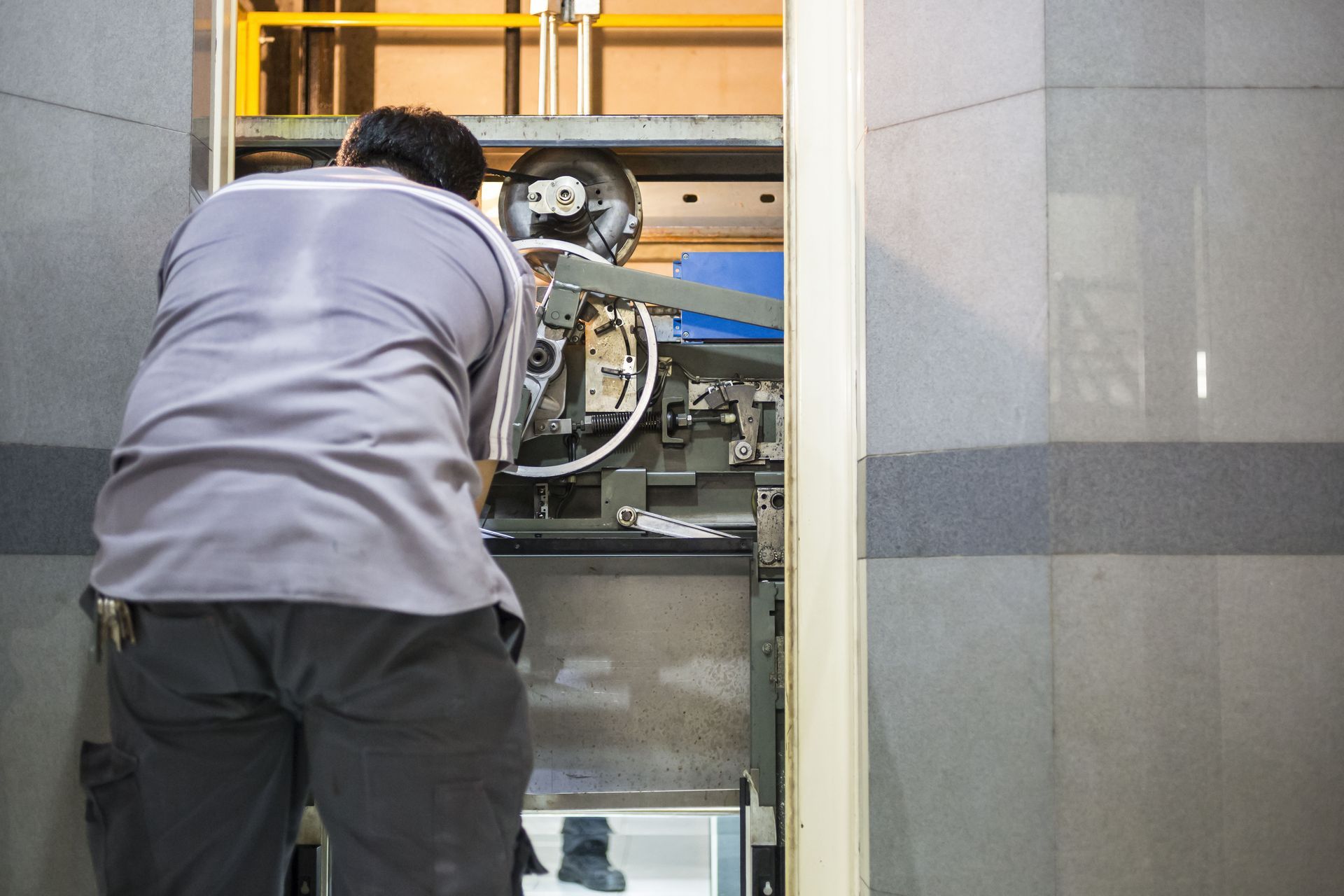
Equipment deterioration does not always begin with an obvious failure. Small changes in performance, appearance, or structural condition can provide early indications that a component is becoming compromised. A professional evaluation can examine these changes and determine whether they represent normal aging or a developing problem.
Surface wear, discoloration, unusual vibrations, small cracks, corrosion, deformation, and other irregularities may indicate that equipment is experiencing stress. Individually, these signs might not seem significant, but they can provide valuable information when examined as part of a broader evaluation. Identifying these issues early allows maintenance teams to investigate them before deterioration progresses.
Detect Corrosion Before Failure
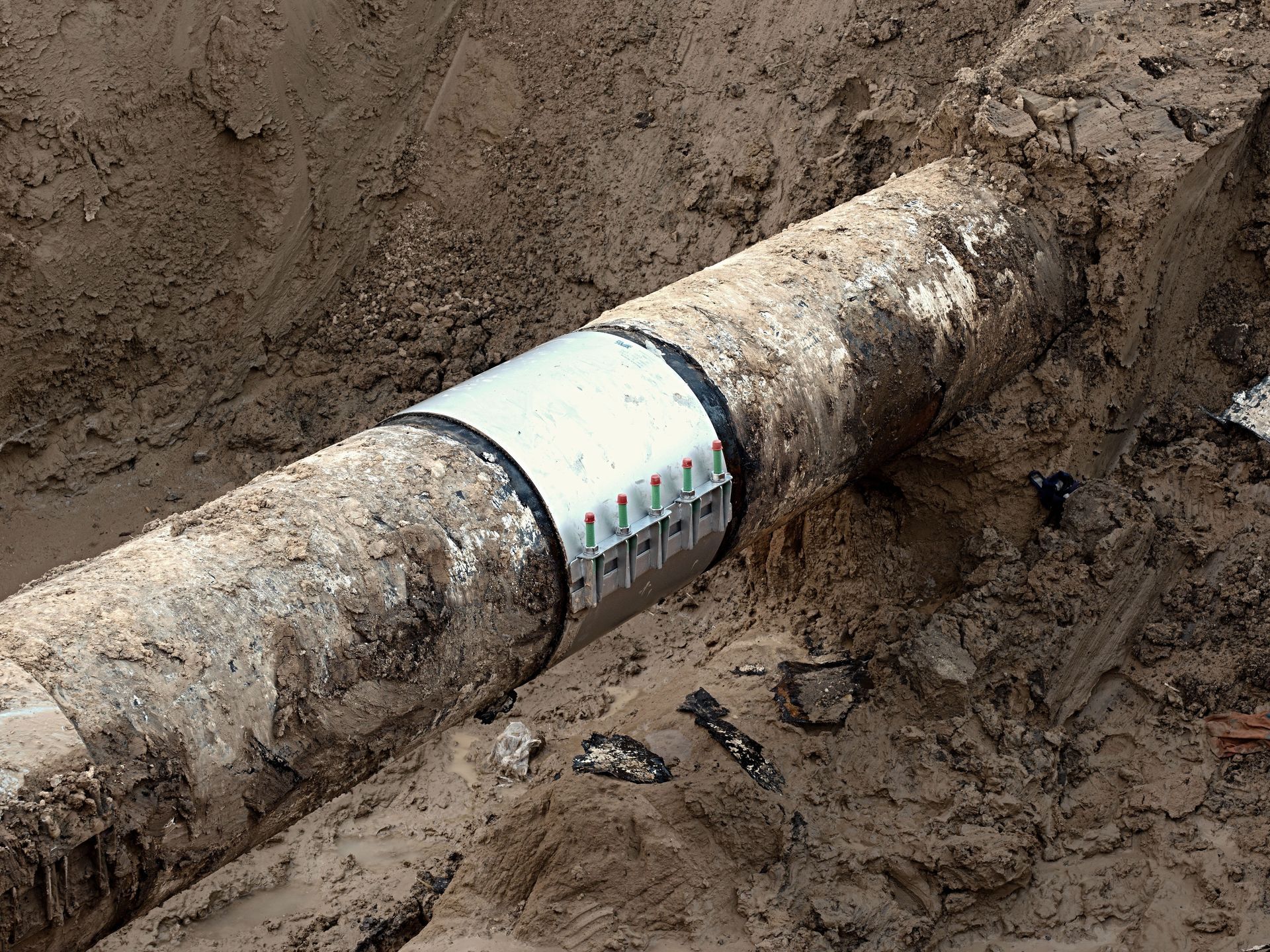
Corrosion can gradually weaken metal surfaces, fasteners, structural components, pipes, tanks, and other equipment. Because corrosion may develop in areas that are difficult to see, relying solely on visual observations during normal operations may not reveal the full extent of a problem.
A condition assessment can help identify areas where corrosion has started or where environmental conditions may be accelerating deterioration. Depending on the equipment involved, an assessment may examine surfaces, connections, protective coatings, and other vulnerable components. Recognizing corrosion at an earlier stage can make it easier to determine what maintenance or corrective measures may be appropriate.
This is particularly important for businesses operating equipment in environments where moisture, chemicals, temperature fluctuations, or other conditions can contribute to material degradation. Understanding where corrosion is occurring can also help organizations prioritize maintenance resources.
Find Structural Problems Early
Structural deterioration can affect the reliability and service life of equipment. Cracks, distortion, weakened connections, fatigue, and material loss can develop gradually as equipment is exposed to repeated loads and operating conditions.
A professional assessment provides an opportunity to examine equipment for these types of concerns before they result in significant structural damage. Inspectors can evaluate components for visible abnormalities and other indications that may warrant closer examination.
Early identification is valuable because structural problems can become more complicated as deterioration continues. Addressing a relatively localized concern may be more manageable than dealing with extensive damage after a component has failed. Regular evaluations can therefore provide businesses with better insight into how equipment is holding up over time.
Recognize Changes in Equipment Performance
Physical deterioration is not the only indication that equipment may be experiencing problems. Changes in performance can also provide important clues. Equipment that begins consuming more energy, producing unusual sounds, vibrating differently, operating less efficiently, or requiring more frequent repairs may be showing signs of underlying deterioration.
A condition assessment can consider both the physical state of equipment and relevant performance observations. Combining these details can provide a more complete understanding of an asset's current condition.
This information can be especially useful when equipment has been operating for many years. Comparing current observations with previous inspection findings can help identify changes and establish whether deterioration appears to be progressing. This creates a more informed basis for determining when further inspection, maintenance, repair, or replacement may be necessary.
Support Preventive Maintenance Planning
Maintenance is generally more effective when organizations can plan it around known equipment conditions rather than responding only after failures occur. Assessments can provide information that helps maintenance teams understand which assets require attention and which components may warrant closer monitoring.
Instead of treating every piece of equipment the same way, businesses can use assessment findings to identify areas of greater concern. Equipment showing significant wear or deterioration may require more immediate attention, while assets in better condition may continue to be monitored according to an established schedule.
This approach can help organizations make better use of maintenance resources. It can also reduce the likelihood that minor issues will remain unnoticed until they develop into more expensive problems.
Extend Useful Equipment Life
Equipment naturally experiences wear throughout its operating life, but deterioration does not always mean an asset needs to be replaced immediately. Understanding the severity and location of developing problems can help businesses make more informed decisions about whether repair, maintenance, continued monitoring, or eventual replacement is appropriate.
A condition assessment can provide a snapshot of an asset's current state while also creating useful information for tracking changes over time. When assessments are performed periodically, businesses can compare findings and identify trends in equipment deterioration.
This type of information can support decisions about asset life cycles. Rather than relying only on age or assumptions about when equipment should be replaced, organizations can consider actual condition information when planning future capital expenditures.
Reduce Unexpected Equipment Problems
Unexpected equipment failures can disrupt production, delay operations, and create additional costs. While assessments cannot eliminate every possibility of failure, identifying developing problems can give businesses more opportunities to address vulnerabilities before they become emergencies.
Early warning signs may indicate that a component requires attention even when the equipment remains operational. Acting on those findings can allow maintenance to be scheduled around business needs rather than waiting for an unexpected breakdown to dictate the timing.
A condition assessment can therefore contribute to greater visibility into equipment health. By understanding which assets are deteriorating and how quickly problems may be developing, organizations can make maintenance decisions with more information available.
Create a Long-Term Equipment Record
Assessment findings can become valuable historical information when they are documented consistently. Records of corrosion, wear, repairs, structural changes, and other observations can help businesses understand how equipment has changed throughout its service life.
This historical information can make future inspections more meaningful. Inspectors and maintenance personnel can compare current conditions with previous findings rather than evaluating equipment in isolation. Patterns may become easier to recognize, including recurring problem areas or components that appear to deteriorate more quickly than expected.
Maintaining detailed condition records can also support communication between maintenance personnel, equipment owners, engineers, and other professionals involved in asset management. Everyone can work from a clearer understanding of the equipment's documented condition.
Equipment deterioration often begins gradually, making early detection an important part of responsible asset management. Corrosion, wear, cracking, structural changes, and performance issues can develop before an obvious failure occurs. Regular evaluations give businesses an opportunity to identify these warning signs, understand the current state of their equipment, and plan appropriate maintenance.
A condition assessment can also support longer-term decisions by providing documented information about how equipment changes over time. With better visibility into asset condition, organizations can prioritize maintenance, evaluate repair needs, plan replacements, and reduce the likelihood of unexpected disruptions.
If you want to better understand the condition of your equipment and identify potential deterioration before it becomes a larger concern, contact Corrosion Testing Laboratories, Inc to schedule an assessment and discuss your equipment's specific needs.