March 31, 2026
The silent degradation of industrial infrastructure represents one of the most significant hurdles for modern engineering and resource management. Among the various forms of metal deterioration, stress corrosion cracking stands out as a particularly deceptive and dangerous phenomenon that specifically targets pressurized systems.
For pipeline operators and facility managers, understanding the mechanics of this process isn't merely a matter of maintenance but a critical requirement for public safety and environmental protection. Because this type of damage often occurs internally or under insulation without visible surface indicators, the reliance on local corrosion testing companies becomes a primary line of defense. By exploring the nature of this threat and the methodologies used to detect it, stakeholders can better protect their assets and ensure long-term operational integrity.
Understanding the Fundamental Mechanics of Cracking
Stress corrosion cracking is a complex degradation mechanism that occurs through the synergistic combination of three specific factors, which are a susceptible material, a specific corrosive environment, and tensile stress. When these three elements converge, they initiate microscopic cracks that can propagate through the metal structure even if the stress levels are well below the yield strength of the material. This makes the condition uniquely hazardous because the pipeline may appear structurally sound under normal operating pressures until a sudden and catastrophic failure occurs.
The economic implications of ignoring these microscopic threats are staggering and affect the national economy on a massive scale. According to the United States Naval Academy, the annual economic impact of corrosion in the U.S. ranges from $8 billion to $126 billion. This vast range reflects the diverse industries impacted and the high cost of emergency repairs, environmental remediation, and lost productivity. For pipeline owners, a significant portion of these losses can be mitigated by engaging with local corrosion testing companies to identify early warning signs before a breach occurs. Without proactive monitoring, the financial burden of a single pipeline failure can easily eclipse the lifetime costs of a rigorous inspection program.
Identifying the Environmental Drivers of Failure
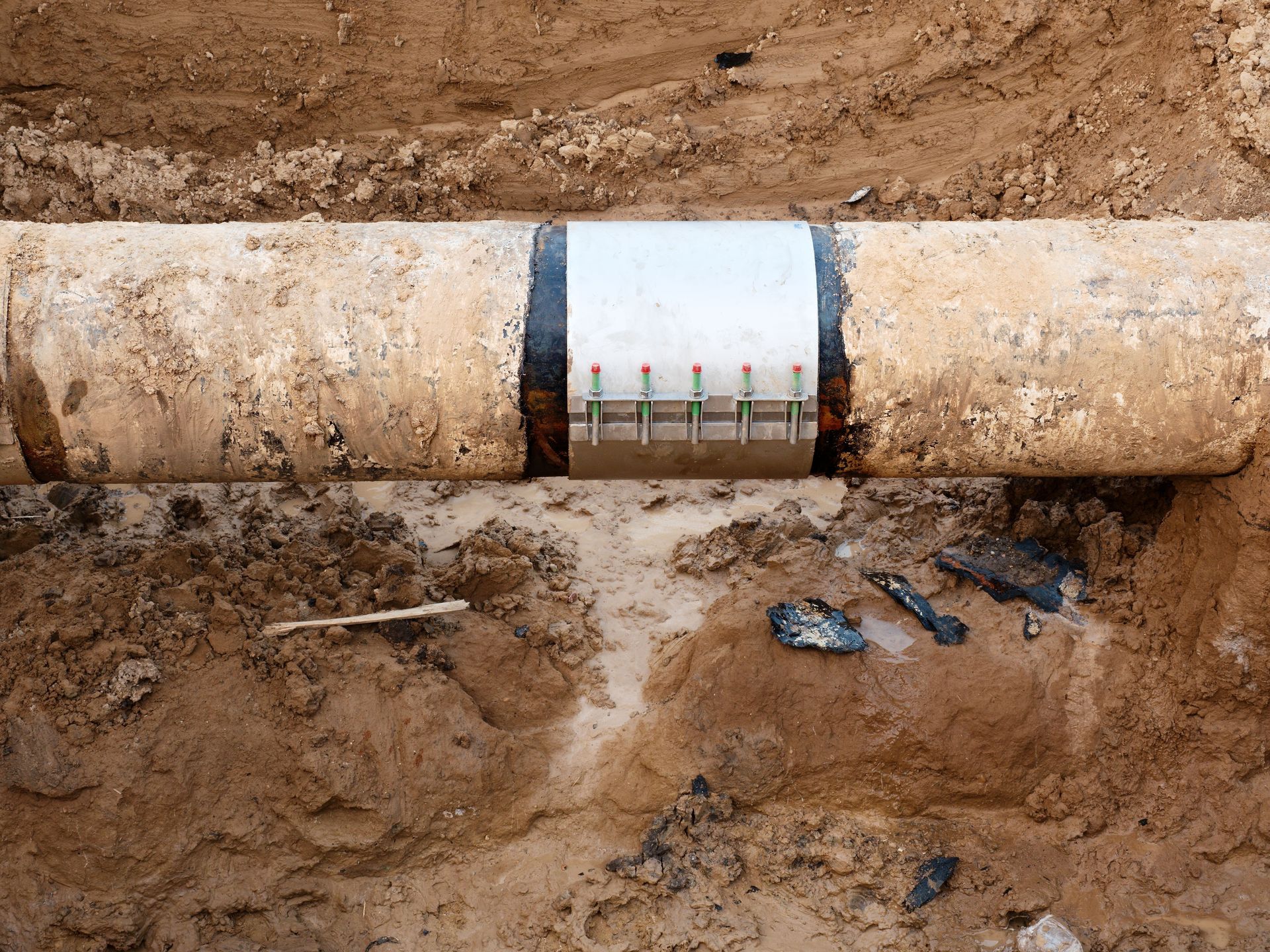
The environment surrounding a pipeline plays a decisive role in whether stress corrosion cracking will develop over time. In many instances, the soil composition, moisture content, and presence of specific ions like carbonates or chlorides create a chemical setting that encourages crack initiation. This is particularly true for buried pipelines where the protective coating may have degraded or disbonded from the steel surface. When the cathodic protection current can't reach the steel under a disbonded coating, a localized environment forms that is highly conducive to cracking. Local corrosion testing companies are frequently called upon to analyze these soil conditions and evaluate the effectiveness of existing protection systems to prevent such occurrences.
Temperature also acts as a critical catalyst in the chemical reactions that drive crack growth. Higher operating temperatures generally increase the rate of corrosion and can accelerate the propagation of existing cracks. This relationship between thermal energy and chemical activity means that pipelines carrying hot crude or processed chemicals are at a higher risk than those transporting ambient-temperature fluids. Expert analysis from local corrosion testing companies can help operators determine the specific temperature thresholds where their specific alloys become most vulnerable.
Evaluating the Impact of Mechanical Stress
While the chemical environment sets the stage, tensile stress provides the driving force that pulls the metal fibers apart. This stress can originate from several sources, including the internal pressure of the fluid, residual stresses left over from the welding and manufacturing process, or external loads such as soil movement and thermal expansion. Unlike simple mechanical fatigue, stress corrosion cracking requires the constant presence of this tension to keep the crack tip active and exposed to the corrosive media.
To accurately assess these risks, engineers must look beyond simple pressure ratings. Residual stresses from fabrication are often overlooked but can be high enough to trigger cracking even when the pipeline isn't under full operational load. This is why the expertise provided by local corrosion testing companies is so vital for new installations as well as aging infrastructure. These specialists use advanced modeling and physical testing to identify areas of high residual stress that might serve as the birthplace for future failures. Understanding the interplay between mechanical load and metallurgical integrity allows for a more nuanced approach to risk management.
Utilizing Advanced Methods for Detection
Detecting stress corrosion cracking requires a sophisticated array of nondestructive testing techniques because the cracks are often too fine to be seen with the naked eye. One of the most common methods involves ultrasonic testing, which uses high-frequency sound waves to find internal discontinuities. When these sound waves encounter a crack, they reflect back to a transducer, allowing technicians to determine the depth and orientation of the flaw. Many local corrosion testing companies employ phased array ultrasonic systems, which provide a cross-sectional view of the pipe wall for even greater precision.
Another highly effective tool in the detection arsenal is magnetic particle inspection, which is particularly useful for finding surface-breaking cracks in ferromagnetic materials. By applying a magnetic field and specialized particles to the surface, inspectors can reveal the distinctive patterns caused by cracking that would otherwise remain invisible. While this method is limited to the surface or near surface, it remains a staple for inspecting welds and joints during maintenance turnarounds. Relying on the certified technicians found at local corrosion testing companies ensures that these tests are performed according to strict industry standards, reducing the likelihood of false negatives that could lead to disaster.
Implementing Strategic Programs for Prevention
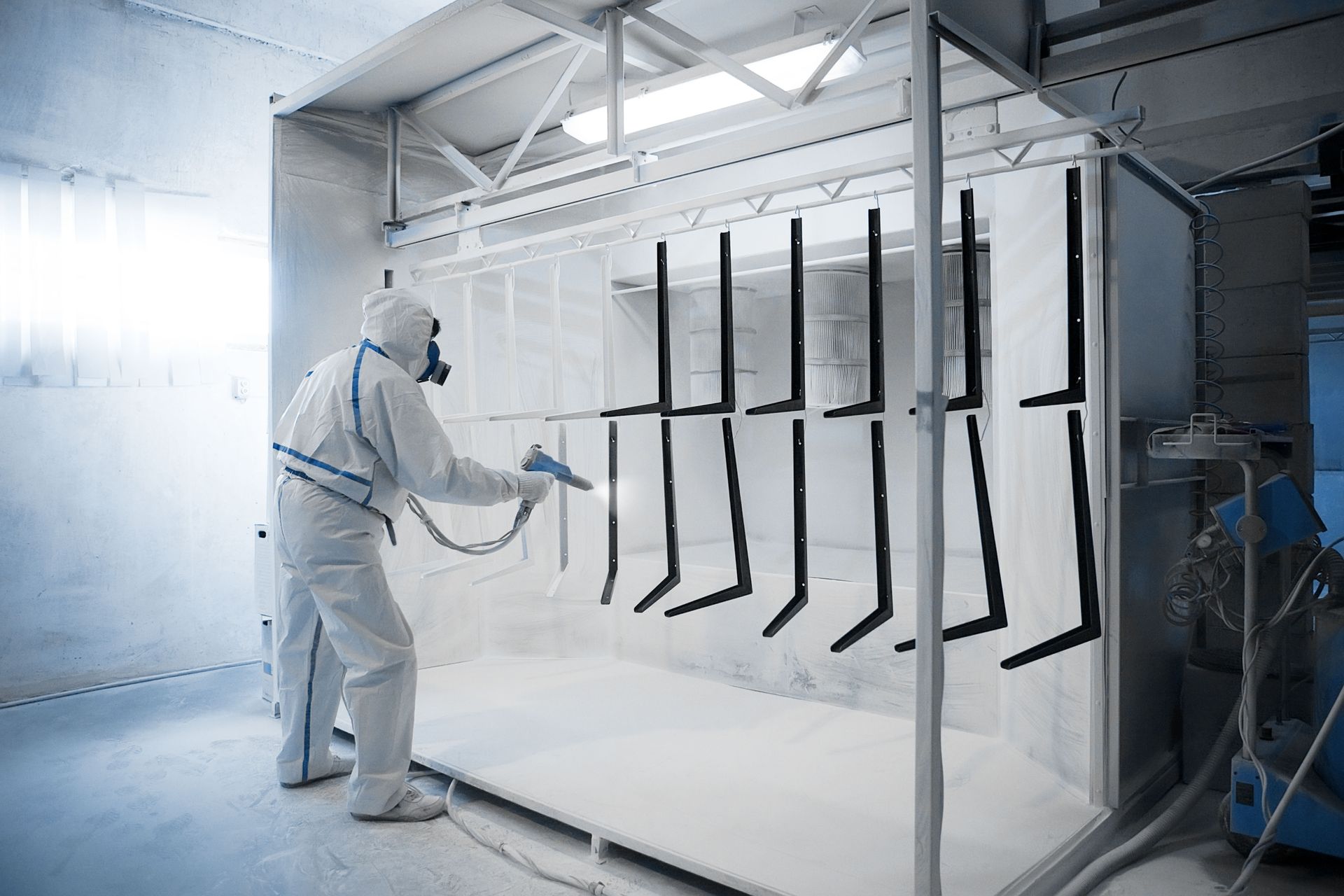
Prevention is always more cost-effective than remediation, and a robust integrity management program is the best way to combat stress corrosion cracking. This involves selecting materials that are inherently resistant to the specific chemicals being transported and ensuring that coatings are applied with exacting precision. Furthermore, maintaining the proper chemistry within the pipeline and managing the external cathodic protection systems can significantly inhibit the conditions necessary for cracks to form. Regular audits and site assessments by local corrosion testing companies provide the data necessary to adjust these prevention strategies as the infrastructure ages and the environment changes.
Data integration also plays a massive role in modern prevention efforts. By combining historical inspection results with real-time sensor data, operators can create predictive models that highlight when and where cracking is most likely to emerge. This proactive stance moves the industry away from reactive repairs and toward a model of planned maintenance that minimizes downtime. The specialized knowledge held by local corrosion testing companies allows them to interpret complex data sets and provide actionable insights that keep pipelines running safely for decades. Investing in these preventive measures is the only way to avoid becoming a contributor to the billions of dollars lost to corrosion each year.
As the energy landscape continues to evolve and infrastructure continues to age, the demand for high-quality corrosion analysis will only increase. Maintaining a commitment to rigorous testing and evidence-based decision-making is the hallmark of a responsible operator. By prioritizing the detection and mitigation of stress corrosion cracking, the industry can protect its workforce, the environment, and its bottom line simultaneously.
Ensuring that your assets are monitored by seasoned professionals is the most effective way to navigate the complexities of metal degradation in the modern world. Contact the experts at Corrosion Testing Laboratories, Inc to schedule your comprehensive pipeline integrity assessment and safeguard your infrastructure against the hidden threats of stress corrosion cracking.