April 8, 2026
Infrastructure projects, including bridges, pipelines, storage tanks, offshore platforms, and industrial facilities, face constant threats from corrosion that causes billions in annual damage, creates safety hazards, and dramatically shortens asset lifespans without proper protective measures. Many project managers select coatings based primarily on cost or experience without fully understanding how environmental conditions, substrate materials, application methods, and performance requirements should influence coating selection for optimal protection. Understanding critical factors affecting coating performance helps you make informed decisions that balance upfront costs against long-term protection, maintenance expenses, and asset longevity that coating choices dramatically affect. The difference between infrastructure that performs reliably for decades and that requiring premature repair or replacement often comes down to whether appropriate coatings were selected based on a thorough analysis of operating conditions and protection requirements. Learning what coating selection involves empowers project stakeholders to choose systems that provide the protection their specific applications demand rather than accepting generic solutions that may prove inadequate for challenging environments or specialized requirements that standard coating systems cannot address effectively throughout expected service lives.
Assessing Environmental Exposure Conditions
According to GlobeNewswire, North America held approximately 38% of the global corrosion monitoring market, driven largely by the U.S. emphasis on regulatory compliance and aging infrastructure support. Temperature extremes, humidity levels, chemical exposure, UV radiation, and abrasion all affect coating performance and determine which systems can withstand specific environmental conditions throughout project lifespans. These environmental factors vary dramatically between applications, making careful assessment essential for identifying coatings that will perform reliably under actual operating conditions rather than just laboratory settings. The failure to account for specific exposure conditions leads to premature coating breakdown, requiring expensive reapplication or substrate damage necessitating major repairs. Professional corrosion testing evaluates how candidate coatings perform under conditions simulating actual service environments, providing data about durability, adhesion, and protective performance that theoretical specifications and manufacturer claims cannot deliver without validation through testing that replicates the temperature, chemical, and mechanical stresses that coatings will face during actual service throughout infrastructure operating lives.
Evaluating Substrate Material Compatibility
Steel, aluminum, concrete, and other substrate materials require different coating formulations, surface preparations, and application techniques for optimal adhesion and protection throughout intended service periods. This material compatibility proves critical, as coatings performing excellently on steel may fail on aluminum or concrete despite appearing similar and coming from the same product family. The surface preparation requirements also vary by substrate, with inadequate preparation causing coating failures regardless of product quality or application skill. Comprehensive corrosion testing includes substrate compatibility evaluation, ensuring selected coatings adhere properly and provide intended protection on specific materials used in projects, rather than assuming that coatings work equally well on all metals or that surface preparation procedures suitable for one material prove adequate for others requiring different approaches for achieving the cleanliness and profile that successful coating application demands.
Matching Coating Types to Application Methods
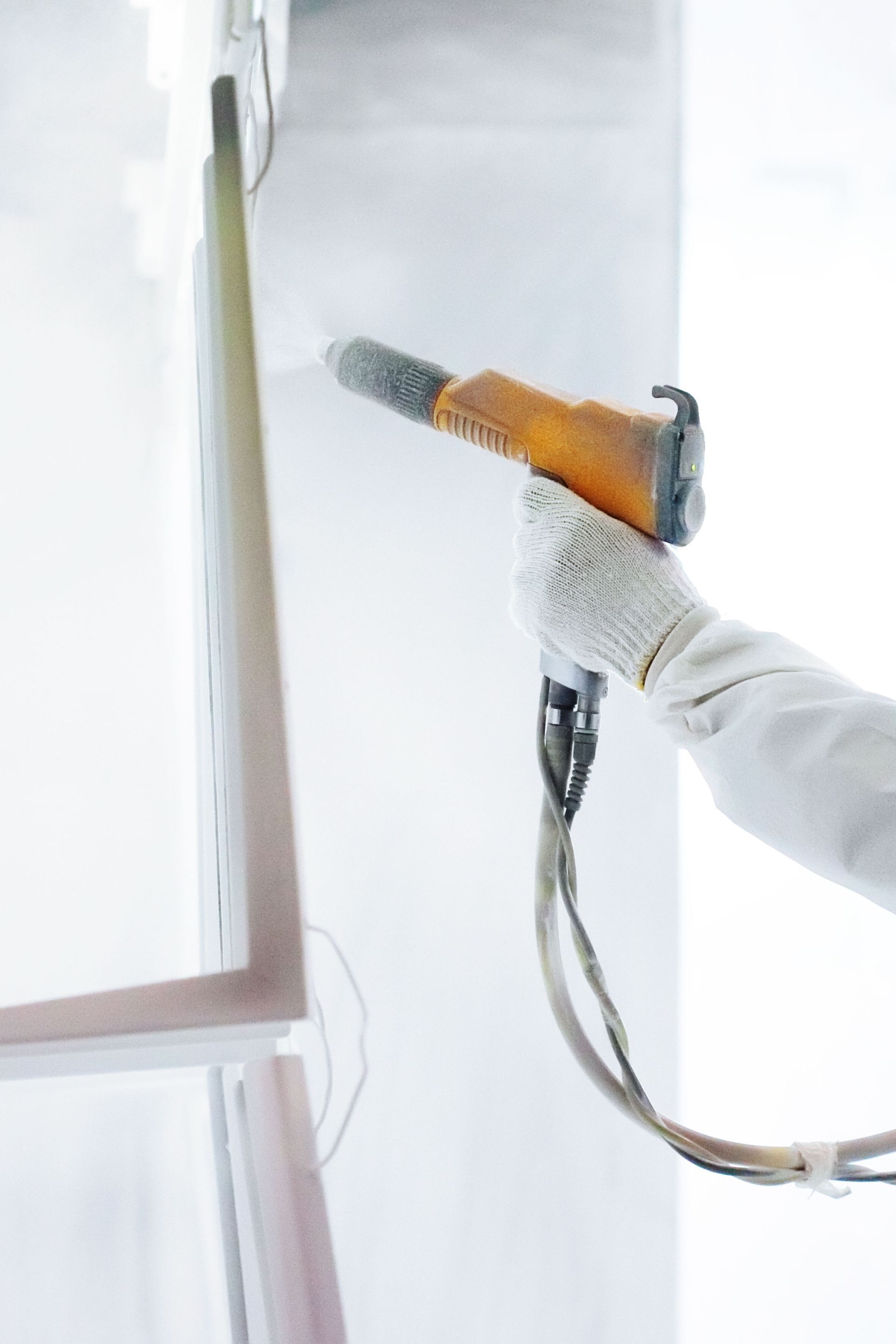
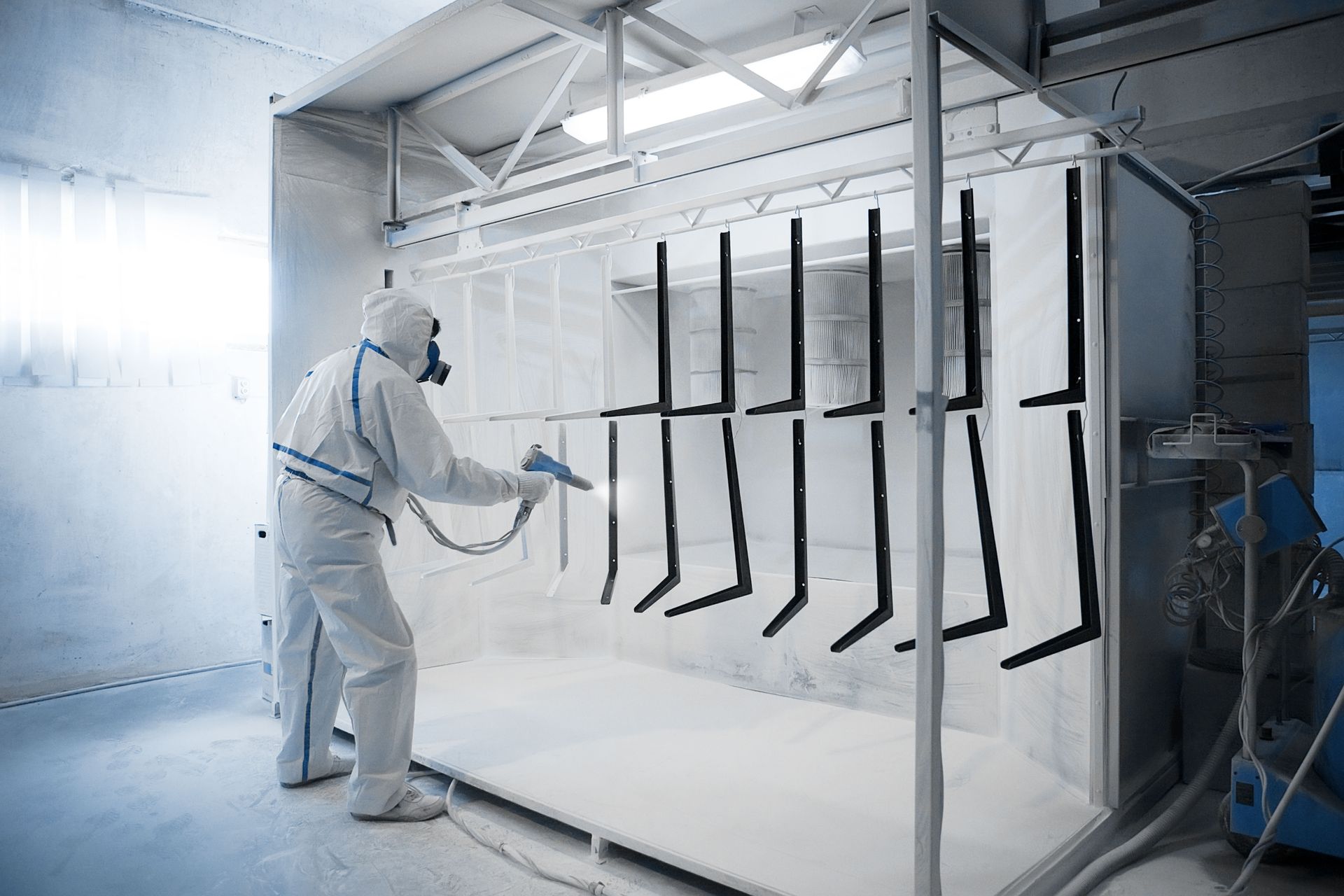
Different coating systems, including epoxies, polyurethanes, zinc-rich primers, and specialty formulations, require specific application methods, equipment, and environmental conditions for proper installation and curing. This application compatibility affects project feasibility, as some high-performance coatings prove impractical when field conditions prevent achieving manufacturer-specified application parameters. The skill level, equipment availability, and quality control capabilities of available applicators also influence coating selection toward systems that can be applied reliably, given project constraints. Strategic corrosion testing validates that selected coatings can be applied successfully under anticipated field conditions rather than just in controlled factory environments, ensuring coating specifications don't exceed practical application capabilities given weather constraints, equipment limitations, or workforce skill levels that may prevent achieving the application quality that coating performance requires for delivering promised protection throughout infrastructure service lives.
Considering Life-Cycle Cost Analysis
Initial coating costs represent only portions of total protection expenses that should include surface preparation, application labor, downtime during installation, maintenance requirements, and expected service life before recoating becomes necessary. This life-cycle perspective often reveals that premium coatings prove more economical than budget alternatives despite higher upfront costs when superior durability reduces maintenance frequency and extends recoating intervals. The downtime costs that maintenance creates particularly affect operating facilities where coating work interrupts production or service delivery. Professional corrosion testing provides performance data supporting life-cycle cost calculations, allowing accurate comparison between coating alternatives based on total ownership costs rather than just initial material prices that don't reflect the complete economic picture, including application costs, service life, and maintenance expenses that vary substantially between coating systems offering different performance characteristics and longevity under specific operating conditions.
Understanding Performance Specifications and Standards
Industry standards from organizations including NACE, SSPC, and ISO define coating performance requirements, application procedures, and testing protocols, ensuring quality and reliability across infrastructure projects. These specifications provide frameworks for evaluating coatings objectively rather than relying solely on manufacturer claims or experience that may not transfer to current project conditions. The compliance with recognized standards also satisfies regulatory requirements and project specifications that often mandate specific coating standards. Rigorous corrosion testing following established protocols demonstrates coating compliance with relevant standards, providing documentation that selected systems meet project requirements and industry best practices rather than just manufacturer assertions unsupported by independent testing, validating performance claims through standardized evaluation procedures that allow objective comparison between alternative coating systems being considered for infrastructure protection applications.
Evaluating Repair and Maintenance Requirements
Some coating systems tolerate localized damage and allow spot repairs, while others require complete removal and reapplication when failures occur, significantly affecting long-term maintenance costs and operational disruption. This repairability proves particularly important for large infrastructure, where complete recoating proves expensive and logistically challenging compared to maintaining coatings through periodic touch-up of damaged areas. The inspection and maintenance procedures that different coatings require also vary, affecting ongoing operational costs and the feasibility of maintaining protection throughout asset lives. Practical corrosion testing includes damage simulation and repair evaluation, determining how coatings respond to the mechanical damage, chemical attack, or other degradation they'll inevitably experience during service and whether repairs prove practical and effective for extending coating life rather than necessitating complete system replacement when localized failures occur in operating infrastructure, where minimizing maintenance disruption and expense proves essential.
Assessing Health, Safety, and Environmental Impacts
Volatile organic compounds, hazardous air pollutants, and toxic components in some coating formulations create health risks for applicators while also raising environmental concerns and regulatory compliance issues. These safety and environmental considerations increasingly influence coating selection as regulations tighten and organizations prioritize worker safety and environmental responsibility. The ventilation, personal protective equipment, and waste disposal requirements vary dramatically between coating types, affecting application complexity and costs. Comprehensive corrosion testing evaluates not just protective performance but also application safety and environmental impact, helping project teams select coatings that balance protection requirements with health, safety, and environmental goals rather than focusing solely on corrosion resistance without considering the broader implications of coating choices for worker safety, regulatory compliance, and environmental stewardship that increasingly affect project planning and coating specification decisions.
Understanding these critical factors helps infrastructure project teams select coatings that provide optimal protection given specific environmental conditions, substrate materials, application constraints, and performance requirements that individual projects present. The investment in proper coating selection and validation through comprehensive testing proves far less expensive than the premature failures, maintenance costs, and shortened asset lives that inadequate protection creates. Making informed coating decisions based on thorough analysis and independent testing ensures infrastructure receives the protection it needs for achieving intended service lives while minimizing the total cost of ownership, which proper coating selection substantially affects. Whether you need professional engineers, failure analysis, medical device testing, material characterization, consulting, electrochemistry, or analytical chemistry, Corrosion Testing Laboratories, Inc. employs AMPP-certified personnel for corrosion, provides free estimates within 24-48 hours, and serves customers worldwide. For more information, contact us today!