July 22, 2026
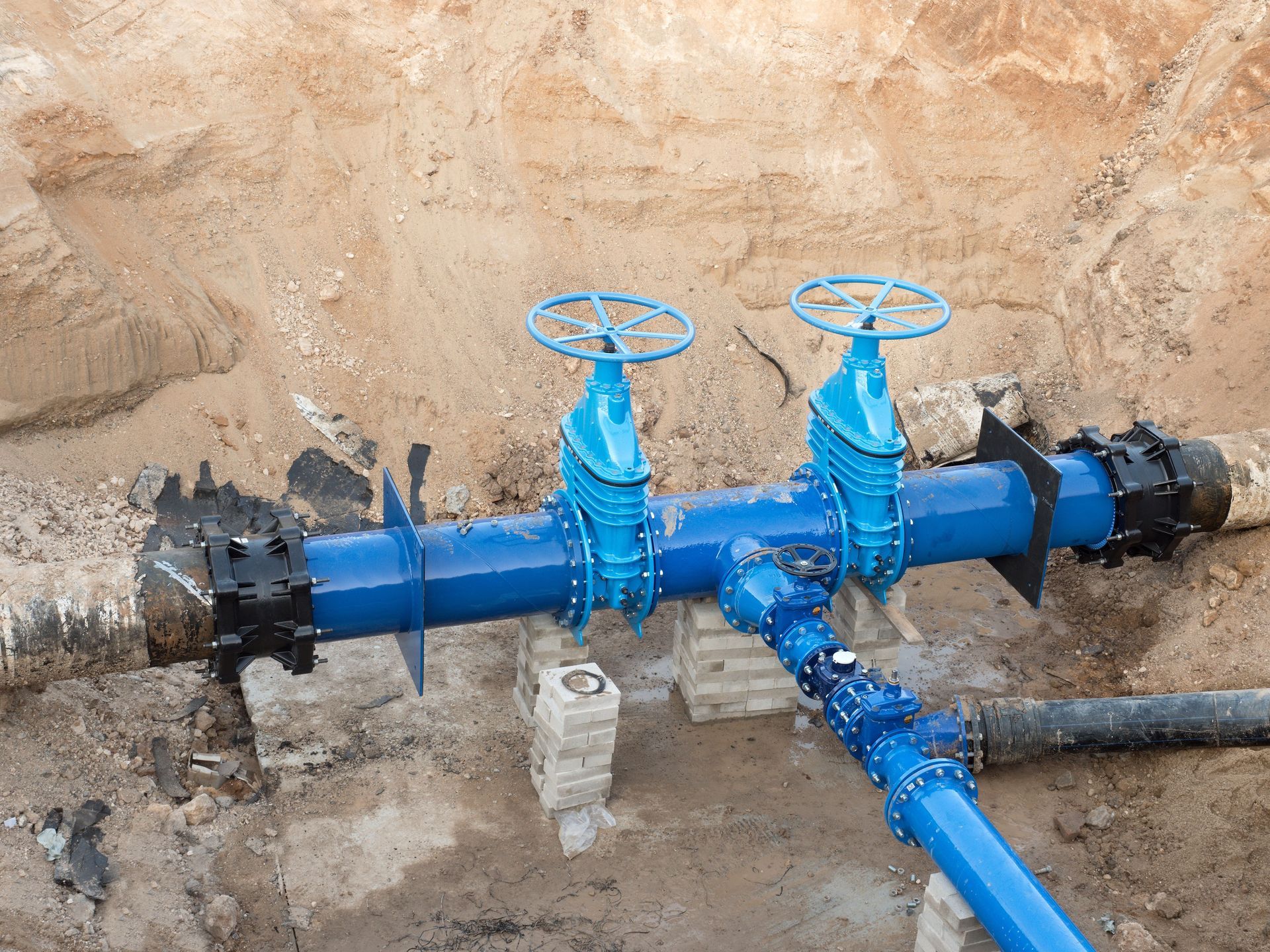
The silent, relentless degradation of metallic structures poses one of the most significant challenges to modern industrial infrastructure, manufacturing, and technological advancement. Oxidation and environmental chemical reactions slowly consume the structural integrity of essential components, often operating entirely out of sight until a catastrophic failure occurs. From buried utility pipelines and massive marine vessels to delicate aerospace components and municipal water systems, no metallic asset is entirely immune to environmental decay. Managing this ongoing threat requires a proactive, scientifically rigorous approach that goes far beyond simple visual inspections. Implementing advanced diagnostic protocols allows industries to identify vulnerabilities early, project the operational lifespan of critical equipment, and prevent devastating environmental or financial accidents. This specialized branch of materials science transforms how modern organizations manage risk, optimize material selection, and safeguard their capital investments over extended periods.
The specialized field of material preservation relies on a highly trained workforce dedicated to analyzing molecular degradation and validating protective coatings. The scale and importance of this technical sector are reflected in professional employment data across the country; according to Bebee, approximately 5,000 to 15,000 people work in corrosion testing services in the United States. These dedicated professionals utilize sophisticated environmental chambers, electrochemical analysis, and real-world exposure scenarios to evaluate how different alloys hold up under intense environmental stress. By leveraging their expertise, organizations can move away from reactive troubleshooting and embrace predictive maintenance strategies that save substantial capital. Partnering with these specialists ensures that industrial equipment remains resilient against chemical attack, reducing unexpected operational downtime and protecting human lives.
Identifying Material Vulnerabilities
Exposing hidden structural flaws before they manifest as outright mechanical failures is the primary objective of advanced diagnostic evaluation. Metals often suffer from localized degradation, such as pitting or stress cracking, which can compromise an entire system while leaving the outer surface looking completely untouched. Utilizing comprehensive corrosion testing protocols allows engineers to simulate years of intense environmental exposure in a condensed timeframe, revealing exactly how a specific alloy will behave under real-world pressures. This microscopic and electrochemical scrutiny uncovers internal weaknesses, chemical inconsistencies, and manufacturing defects that would otherwise remain completely invisible. Armed with this vital data, operations managers can replace compromised components during scheduled maintenance windows, entirely avoiding the chaos and extreme expense of emergency roadside or factory shutdowns.
Validating Protective Coatings
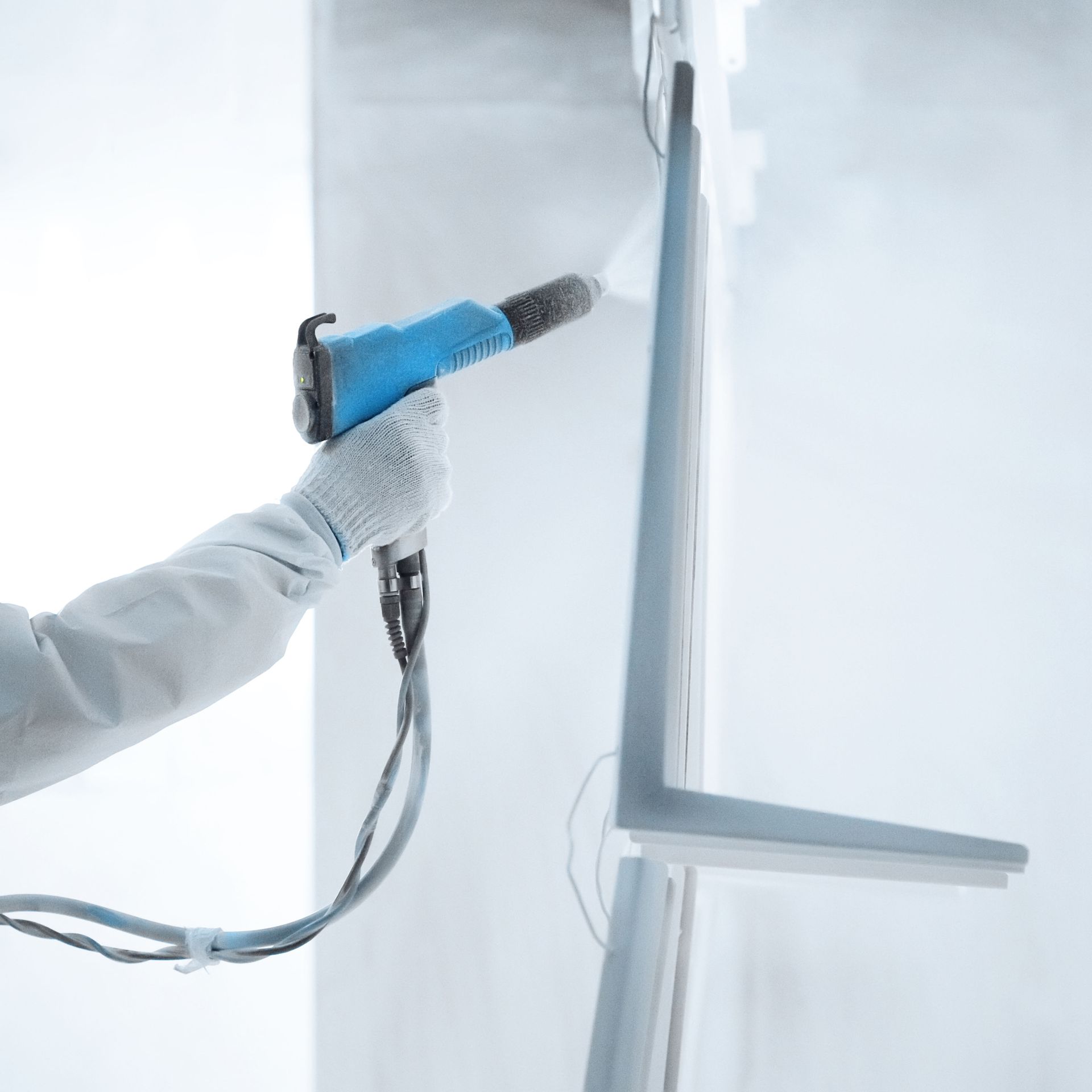
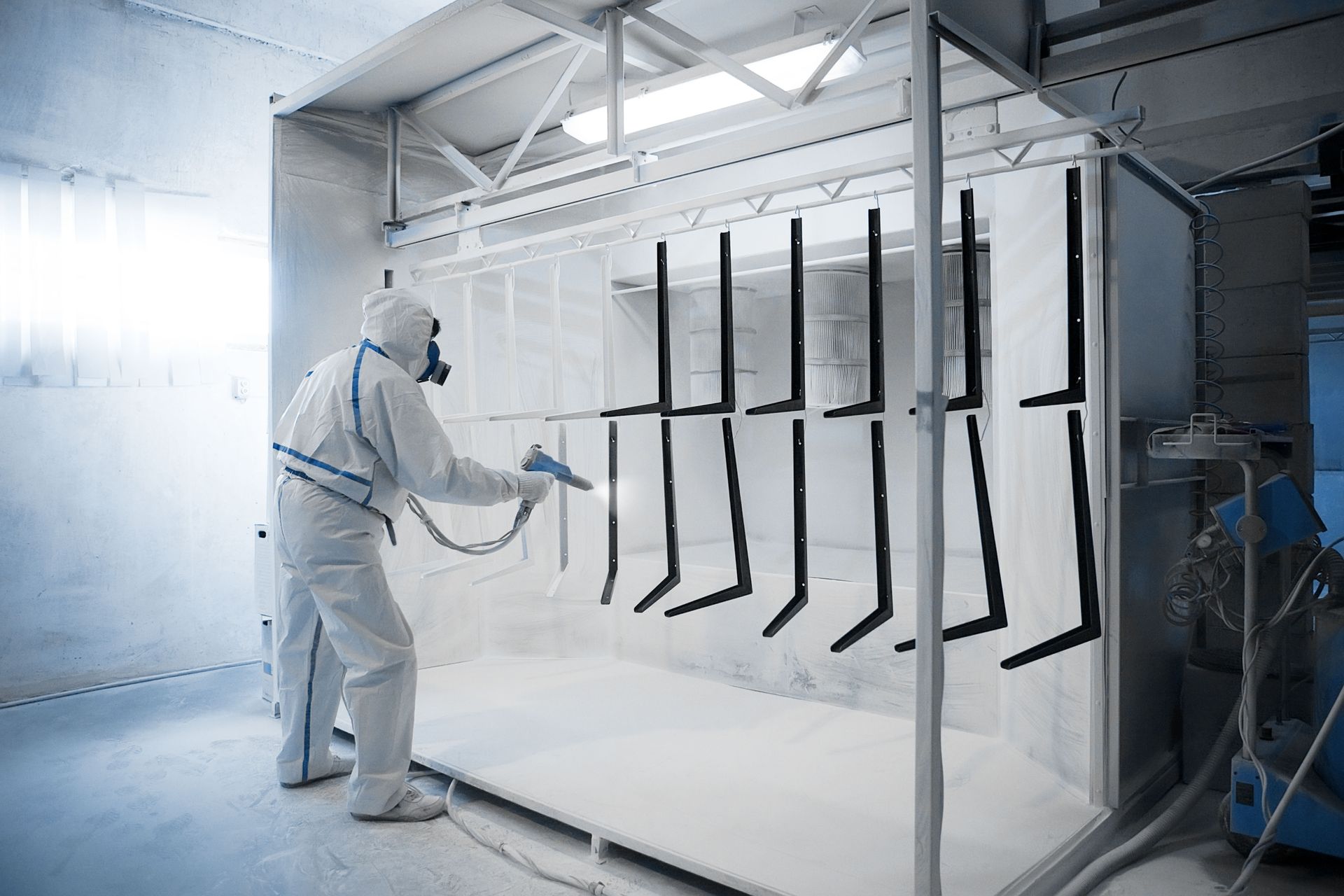
Ensuring the longevity of structural metals almost always involves the application of specialized paints, chemical inhibitors, or sacrificial platings designed to block environmental moisture and oxygen. However, the effectiveness of these barriers depends heavily on the application environment, substrate preparation, and the specific chemical composition of the coating itself. Engaging in rigorous corrosion testing allows manufacturers to verify that these protective layers adhere properly and provide the exact level of resistance required for the intended application. Through standardized salt spray exposures and cyclic humidity analysis, technicians can observe how a coating handles surface scratches or thermal fluctuations. This validation process prevents companies from deploying thousands of products with faulty finishes, saving millions in potential warranty claims and protecting the long-term reputation of the brand.
Optimizing Material Selection
Selecting the correct alloy for a specific operational environment requires balancing mechanical strength, weight constraints, and environmental resistance against overall production budgets. Over-engineering a component by using unnecessarily expensive noble metals can drain project capital, while under-engineering with cheap alloys leads to premature structural failure. Comprehensive corrosion testing provides the precise empirical data needed to make informed, cost-effective material choices during the initial design phase of a project. By comparing how different grades of stainless steel, aluminum, or specialized nickel alloys react to specific chemical compounds, engineers can select the exact material that offers the longest operational life for the lowest investment. This scientific optimization ensures that bridges, medical devices, and industrial processing plants perform safely throughout their intended design lifespans.
Ensuring Regulatory Compliance
Navigating the complex landscape of modern safety mandates, environmental protections, and industry-specific quality standards requires indisputable proof of structural durability. Government agencies and international standards organizations enforce strict rules regarding material longevity, especially in high-risk sectors like aerospace manufacturing, oil and gas distribution, and nuclear power generation. Regularly scheduling independent corrosion testing ensures that your organization remains in full compliance with these rigorous legal and operational frameworks. Documented test results provide a clear, verifiable audit trail that demonstrates your commitment to public safety and environmental stewardship. This proactive compliance shields your enterprise from severe regulatory fines, mitigates legal liabilities in the event of an accident, and satisfies the strict risk-management requirements imposed by commercial insurance underwriters.
Predicting Asset Lifespan
Determining exactly how long a massive piece of infrastructure or a complex manufacturing assembly can safely operate is essential for long-term corporate budgeting and strategic planning. Without accurate data, organizations are forced to guess when to schedule multi-million-dollar capital replacements, which can lead to either premature spending or dangerous asset exhaustion. Advanced corrosion testing techniques, such as electrochemical impedance spectroscopy, allow specialists to measure the active rate of material decay under specific operational conditions. This precise measurement enables data analysts to create highly accurate degradation models, projecting the exact point when a structure will require reinforcement or replacement. This predictive capability allows executives to allocate capital efficiently, ensuring infrastructure updates occur exactly when needed to maintain safety without wasting valuable resources.
Enhancing Product Reliability
Securing consumer trust and maintaining a competitive edge in the global marketplace requires delivering goods that can withstand the test of time and harsh environmental conditions. Whether manufacturing marine electronics, automotive components, or outdoor architectural hardware, premature rust and material degradation can quickly alienate buyers and flood customer service channels with complaints. Integrating systematic corrosion testing into your research and development workflow guarantees that every product leaving the factory floor can endure real-world abuse. Testing prototypes against extreme humidity, industrial pollutants, and coastal salt air allows design teams to refine sealing methods and fastening hardware before mass production begins. This dedication to durability minimizes return rates, maximizes consumer satisfaction, and establishes your brand as a hallmark of premium engineering.
Neglecting the subtle, ongoing threat of chemical and environmental metal degradation can lead to devastating financial losses, compromised public safety, and severe damage to an organization's operational credibility. Relying on guesswork or superficial visual checks is an inadequate defense against the complex molecular processes that cause rust, embrittlement, and structural failure. Committing to a structured routine of scientific corrosion testing provides the clear, actionable intelligence required to fortify critical infrastructure, validate protective manufacturing measures, and optimize material investments. This empirical approach transforms material management from a reactive, crisis-driven expense into a proactive, strategic advantage that safeguards capital, ensures regulatory alignment, and guarantees the enduring safety of your operations.
When your organization requires definitive answers, meticulous material analysis, and unyielding precision to combat the costly forces of environmental decay, partnering with an elite laboratory is paramount. At Corrosion Testing Laboratories, Inc., we take immense pride in our ability to deliver comprehensive analysis, customized environmental exposure testing, and expert metallurgical consultations tailored to your unique industrial requirements. Our dedicated team of scientists and engineers handles every phase of the evaluation process with the utmost professionalism, providing the verified data you need to ensure product longevity, maintain strict regulatory compliance, and protect your vital infrastructure assets. Contact us today to explore our full suite of diagnostic services and discover how we can help you build a more resilient, reliable, and profitable future for your enterprise.