June 29, 2026
Corrosion is a significant issue faced by industries globally. It affects the longevity and structural integrity of materials, especially metals. Regular corrosion testing is crucial for maintaining infrastructure integrity and ensuring safety. Despite advancements in materials science, corrosion remains inevitable under certain environmental conditions. Testing helps in early detection and mitigation, thereby prolonging the life of crucial infrastructure.
The consequences of corrosion extend beyond physical damage, impacting financial stability and safety. Industries invest heavily in combating corrosion, yet many confront unexpected failures due to inadequate testing. Regular testing aligns maintenance schedules, preventing unforeseen complications and costs. It doesn't just avert asset deterioration but also optimizes operational efficiency. Therefore, the importance of scheduled corrosion assessments cannot be overstated.
With an ever-growing demand for safer, more robust infrastructure, businesses must leverage systematic corrosion testing. It serves as a pivotal strategy in minimizing risk while maximizing lifespan and productivity. Continuous monitoring transforms reactive responses into proactive management. As industries expand, the need for advanced testing methods becomes more critical. Corrosion testing is not just about maintaining the status quo but about enabling progress and sustainability.
Key Industries Benefiting From Corrosion Testing
Oil and Gas Industry
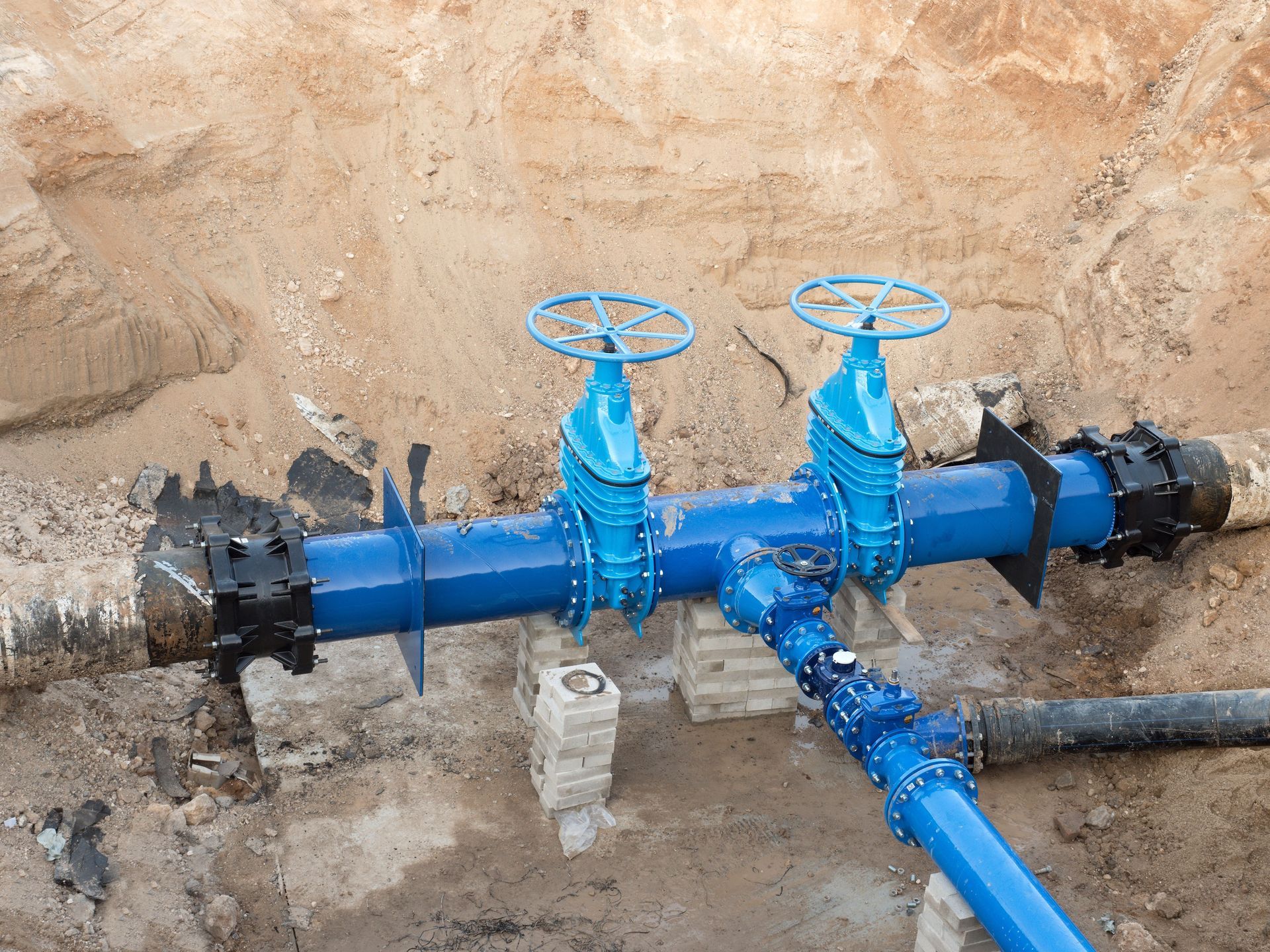
In the oil and gas sector, corrosion testing ensures safe and efficient exploration and distribution. Corrosion poses severe risks in pipelines, causing potential leaks, spills, and catastrophic failures that can endanger ecosystems and communities. By routinely testing for corrosion, operators maintain the integrity of pipelines and storage facilities, preventing unplanned downtimes. It also helps in optimizing the life cycle of critical components, saving costs related to maintenance and regulatory penalties. Thus, robust corrosion testing protocols are central to the industry's operational success.
Marine and Shipbuilding Sectors
Marine environments, with their high salinity, pose extreme challenges to structural and material integrity. Corrosion testing in shipbuilding and maintenance ensures seaworthy vessels and offshore structures withstand these harsh conditions. Through regular assessments, these industries can anticipate stresses and adapt maintenance practices accordingly. Such vigilance prevents losses due to vessel or platform failures, protecting both crew and cargo. Corrosion testing, therefore, facilitates not only the longevity of maritime assets but also contributes significantly to safety and operational reliability.
Automotive and Aerospace Industries
The automotive and aerospace industries rely heavily on the reliability of their components to ensure safety and performance. Corrosion in aircraft can compromise flight safety, while in cars, it can affect components critical to functionality. Regular corrosion testing ensures that protective measures, such as coatings and material choices, remain effective. The industry incorporates testing to ensure that innovations, like lighter alloys, do not sacrifice durability. Consequently, systematic monitoring extends the service life of vehicles and aircraft significantly.
Construction and Infrastructure
The construction and infrastructure sectors depend on corrosion testing to secure long-term structural integrity. This is evident in how bridges, buildings, and roads withstand environmental stresses over time. Testing identifies potential vulnerabilities in materials like steel and concrete, guiding maintenance and material improvements. This foresight avoids structural failures that can lead to costly repairs and endanger public safety. Corrosion testing, thereby, affirms the durability and safety of public and private infrastructure investments.
Utility and Energy Companies
For utility and energy companies, maintaining uninterrupted service delivery is paramount. Corrosion can affect critical components in power plants and transmission networks, potentially causing widespread service outages. Through regular corrosion checks, these companies can mitigate risks and optimize their resources for preventive maintenance. This preemptive approach not only maintains operational stability but also maximizes the efficiency of energy delivery systems. As the demand for sustainable and reliable energy grows, the role of corrosion testing in the industry is becoming increasingly vital.
Technological Advances in Corrosion Testing
Machine Learning and Data Analysis
Machine learning and data analysis are transforming how industries approach predictive maintenance. Algorithms can process vast amounts of corrosion data to identify patterns and foresee potential risks. Machine learning models are capable of learning from historical and real-time data to optimize maintenance schedules and resource allocation. This data-driven approach enhances the precision and efficiency of corrosion control measures. Companies that leverage data science gain significant predictive insights, reducing unexpected corrosion-related incidents.
Advanced Material Science
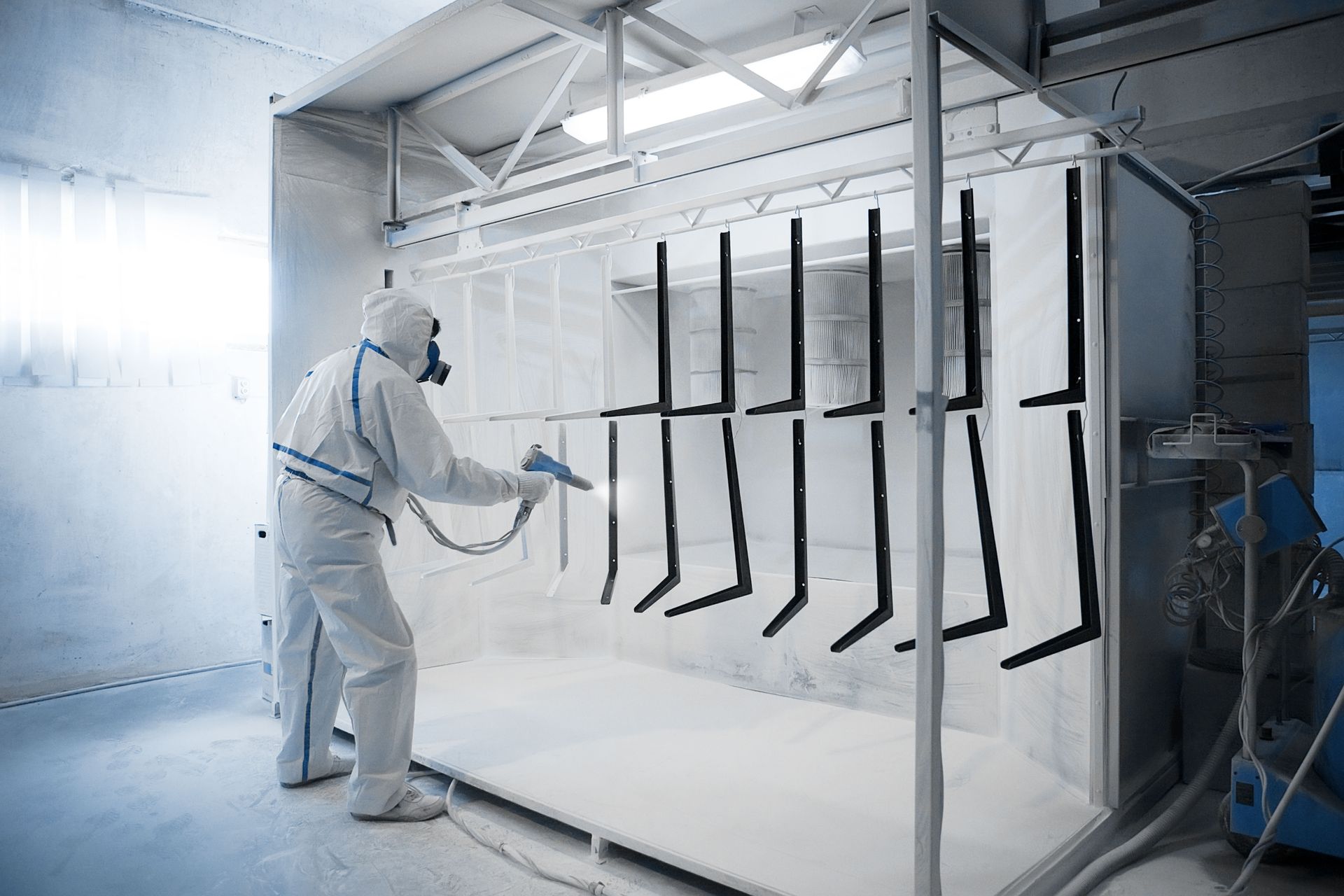
The continuous evolution of material science aids the development of corrosion-resistant alloys and coatings. Researchers are engineering new materials with properties that enhance durability and reduce susceptibility to harmful elements. Innovations like self-healing coatings are emerging, offering an added layer of defense against corrosion. As industries demand more resilient materials, these scientific advancements provide the means to meet growing needs. By investing in advanced materials, industries can build longer-lasting, more reliable infrastructure.
The Future of Corrosion Monitoring
Imagining the future, the next-generation tools in corrosion testing will likely be more predictive, more efficient, and far-reaching. Integration of AI, smart technology, and environmental science holds promise for even more sophisticated monitoring capabilities. These advancements will enable seamless corrosion management and potentially eradicate failures due to unforeseen degradation. Through interdisciplinary collaboration, stakeholders can push beyond traditional limits to safeguard assets effectively. This forward-thinking approach could redefine industry standards, making infrastructure safer and more economical in the long term.
Cost Efficiency and Long-term Savings
Reducing Maintenance Costs
Regular corrosion testing significantly decreases maintenance costs by addressing issues before they escalate into major problems. Early detection allows for minor repairs and adjustments, avoiding costly replacements and service interruptions. Maintaining strict testing schedules helps industries allocate resources more effectively, focusing on timely interventions instead of reactive measures. The long-term savings from reduced maintenance overhead can be considerable. Ultimately, testing not only protects physical assets but also safeguards financial investments, ensuring sustainability.
Prolonging Asset Lifespan
By mitigating corrosion early, businesses can ensure the longevity of their physical assets. Regular testing identifies vulnerabilities that, if addressed, can extend operational life by preventing accelerated material degradation. This proactive approach helps avoid premature asset retirement, maximizing return on capital investments. Companies that prioritize corrosion assessment see value preservation, leading to stable financial performance over time. The broader metallurgical testing laboratory industry, comprising about 170 companies nationwide, according to Buzzfile Media, LLC, plays a critical role in supporting these objectives through specialized services.
Return on Investment
The financial benefits of implementing corrosion testing programs are realized over time by decreasing severe failures and enhancing operational stability. Companies investing in comprehensive testing programs see marked improvements in asset reliability and reductions in unexpected downtimes. Over time, these advantages translate into better financial outcomes, as initial testing costs are offset by reductions in repair expenses and enhanced asset utilization. This positive return reinforces the value of dedicating resources to systematic corrosion management. Companies gain robust infrastructure that supports business continuity and growth.
Insurance and Liability Reductions
Corrosion testing can influence insurance premiums and mitigate liability risks. Insurers favor businesses that proactively manage corrosion due to the decreased likelihood of costly claims arising from infrastructure failures. Regular testing demonstrates a commitment to maintaining safe operations and minimizing hazards, potentially yielding more favorable insurance terms. By lowering liability risks, businesses find themselves better positioned in their industry, gaining trust from partners and consumers alike. This aspect of testing underscores its importance beyond immediate physical concerns, affecting broad business strategy.
Budget Planning and Risk Management
Integrating corrosion testing into financial and risk management strategies enables industries to plan budgets more accurately. This incorporation allows for predicting maintenance costs and capital expenditures more reliably, contributing to better fiscal management. Understanding corrosion trends and asset conditions aids in strategic planning by identifying potential risks and necessary mitigations. It transforms risk management practices from reactive to informed, providing company directors with confidence in their decision-making processes. Well-managed corrosion testing programs underpin robust risk frameworks, supporting the entire organization's objectives.
Regular corrosion testing integrates seamlessly into the core operational frameworks of industries, reinforcing safety, economy, and sustainability. Progress in testing methodologies and technologies continues to evolve, promising even better tools for managing this silent adversary. With strategic incorporation of recommendations like proper scheduling, technique selection, and personnel training, companies can significantly mitigate risks. This proactive stance not only prolongs the lifespan of assets but also underscores the intrinsic value of vigilance. As industries face rising challenges,
corrosion testing stands as an indispensable guardian of infrastructure integrity and economic prosperity, so call Corrosion Testing Laboratories, Inc today to get started.