November 25, 2026
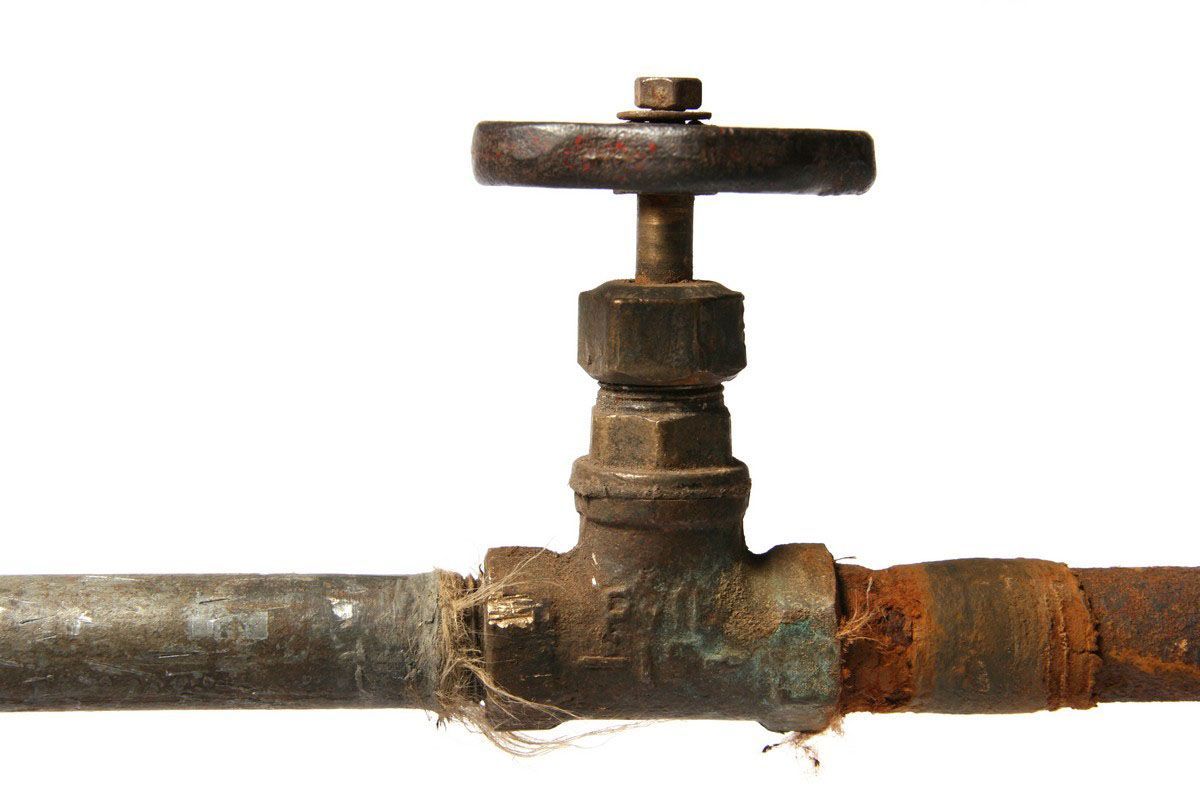
Corrosion is a natural electrochemical process that gradually degrades materials, primarily metals, through chemical reactions with surrounding elements. Across infrastructure, transportation, and manufacturing, unchecked material degradation creates severe safety hazards and forces expensive equipment replacements. According to industry data, the oil and gas sector accounts for nearly a third of global demand for corrosion testing services, highlighting how vital environmental assessment is for protecting high-value assets.
Atmospheric Oxygen and Electrochemical Reactions
Understanding Oxygen as a Primary Reactant
Oxygen drives the electrochemical oxidation process responsible for rust and surface scaling on iron and steel. When exposed metal contacts atmospheric oxygen in the presence of moisture, electrons transfer from the metal to oxygen molecules, forming unstable oxides that weaken structural integrity over time. Evaluating how environmental conditions affect the rate of corrosion begins with measuring ambient oxygen concentrations, since oxygen-rich industrial zones accelerate oxidation far faster than controlled indoor spaces.
Comparing Oxygen Variations Across Environments
Ambient oxygen levels shift considerably across geographic and operational settings, altering degradation patterns on exposed equipment. Urban corridors and heavy manufacturing plants often experience elevated oxidative stress compared to arid rural zones, while offshore platforms endure aggressive wet-dry tidal cycles saturated with dissolved oxygen. Conversely, subterranean pipelines or stagnant underwater structures with restricted oxygen diffusion develop localized pitting rather than uniform surface rust.
Selecting Alloys Resistant to Oxidative Wear
Different metals react to atmospheric oxygen in distinct ways based on their underlying metallurgical composition. Uncoated carbon steel oxidizes continuously because porous rust flakes away and exposes fresh metal underneath, whereas aluminum and stainless steel form dense, self-passivating oxide films that slow further attack. Pairing corrosion-resistant alloys with protective barrier coatings, validated through targeted manufacturing corrosion testings, prevents oxygen from reaching vulnerable substrates in aggressive service environments.
Humidity, Moisture Films, and Condensation
Recognizing Water as a Conductive Electrolyte
Moisture serves as the essential electrolyte that allows ions to move freely between anodic and cathodic sites on a metal surface. Without a conductive liquid film, electrochemical corrosion slows to a near standstill even when oxygen is abundant. Understanding how environmental conditions affect the rate of corrosion requires tracking relative humidity, because thin, invisible water films form on metal surfaces well before visible rain or pooling occurs.
Managing Dew Point and Condensation Cycles
Rapid temperature drops push humid air past its dew point, causing moisture to condense directly onto pipelines, storage tanks, and structural beams. This condensed water readily dissolves airborne chlorides and sulfur compounds, creating an acidic electrolyte film that aggressively attacks metal surfaces. Applying thermal insulation, dehumidification systems, and moisture-repellent coatings stops condensation cycles from triggering hidden under-insulation corrosion.
Implementing Moisture Barriers and Humidity Controls
Facilities operating in tropical, coastal, or high-humidity regions rely on multi-layered defense strategies to isolate metal components from ambient water vapor. High-build epoxy coatings, vapor-phase corrosion inhibitors, and climate-controlled storage enclosures keep relative humidity below critical corrosion thresholds. Routine sensor monitoring and scheduled manufacturing corrosion testings alert maintenance teams to humidity spikes before widespread surface oxidation takes hold.
Temperature Fluctuations and Chemical Kinetics
Accelerating Reaction Kinetics Under High Heat
Elevated operating temperatures speed up chemical reaction rates by increasing molecular kinetic energy and ion mobility within surface electrolytes. In power generation plants, refineries, and chemical processing units, high thermal loads accelerate oxidation, scaling, and stress-corrosion cracking. Assessing how environmental conditions affect the rate of corrosion under extreme heat—backed by high-temperature manufacturing corrosion testings—ensures engineers select alloys capable of maintaining mechanical strength.
Evaluating Thermal Cycling and Condensation Risks
Frequent swings between hot and cold operating states subject metal assemblies to repeated expansion and contraction, which can crack rigid protective coatings. Furthermore, cooling equipment overnight often draws humid air into housings and enclosures, triggering internal condensation once temperatures drop below the dew point. Designing flexible coating systems and drainage pathways prevents thermal cycling from trapping corrosive moisture against critical joints.
Tailoring Maintenance Schedules to Thermal Demands
Equipment operating under severe thermal gradients requires shorter inspection intervals than assets running at steady ambient temperatures. Non-destructive ultrasonic thickness testing and infrared thermography allow engineers to track wall-thinning trends in heated vessels and piping. Adjusting maintenance schedules around seasonal temperature extremes prevents sudden leaks and costly unscheduled shutdowns.
Coastal Salinity and Industrial Pollutants
Assessing Chloride Attack in Marine Atmospheres
Coastal and marine environments expose infrastructure to salt-laden spray and airborne chloride ions that rapidly break down passive oxide layers. Chlorides penetrate microscopic defects in stainless steel and aluminum, driving deep, localized pitting and crevice corrosion that compromise load-bearing capacity. Studying how environmental conditions affect the rate of corrosion along coastlines guides the specification of marine-grade alloys, sacrificial zinc anodes, and heavy-duty polyurethane topcoats.
Mitigating Acidic Industrial Emissions and Runoff
Heavy industrial zones release sulfur dioxide, nitrogen oxides, and particulate matter that combine with atmospheric moisture to form corrosive acid rain. When acidic deposits settle onto structural steel, bridges, or rooftop equipment, they lower surface pH and dramatically accelerate uniform metal loss. Regular wash-down protocols, chemical-resistant linings, and environmental air-quality monitoring help facilities neutralize acidic fallout before deep pitting develops.
Monitoring Soil Chemistry Around Buried Infrastructure
Underground pipelines, pilings, and storage tanks face complex subterranean variables including soil resistivity, moisture retention, pH balance, and anaerobic bacteria. Clay-heavy soils with high salt and water content conduct electrical currents easily, accelerating galvanic and stray-current corrosion along buried steel lines. Combining soil chemical testing with impressed-current cathodic protection safeguards underground assets for decades.
Proactive Corrosion Testing and Mitigation Planning
Conducting Laboratory Simulations and Field Monitoring
Accurate material performance predictions depend on replicating real-world service environments inside controlled testing chambers before deploying equipment in the field. Salt-spray fog testing, cyclic humidity chambers, and electrochemical impedance spectroscopy reveal how environmental conditions affect the rate of corrosion across specific alloy and coating combinations. Pairing standardized manufacturing corrosion testings with real-time field coupons and corrosion probes gives engineers reliable data to validate asset lifespans.
Integrating Data Into Long-Term Asset Management
Translating environmental test results into actionable engineering specifications reduces lifecycle maintenance costs and prevents unexpected structural failures. By documenting how environmental conditions affect the rate of corrosion across every operating zone, organizations can prioritize coating renewals, optimize cathodic protection output, and select cost-effective materials. Continuous monitoring and periodic metallurgical evaluations keep industrial facilities compliant, safe, and operating at peak efficiency.
Establishing Cross-Disciplinary Corrosion Control Standards
Coordinating corrosion prevention across engineering, procurement, and operations teams ensures environmental vulnerabilities are addressed from initial project design through daily plant maintenance. Standardizing material approval protocols, contractor surface-preparation audits, and comprehensive manufacturing corrosion testings prevents incompatible metals or under-specified coatings from entering high-risk service areas. Building an organization-wide corrosion management culture preserves capital investments and strengthens long-term operational safety.
Validating Protective Coatings Through Accelerated Weathering
Evaluating coating durability under ultraviolet radiation, thermal shock, and chemical splash ensures barrier systems withstand harsh outdoor exposure without chalking, blistering, or delaminating. Accelerated weathering chambers and specialized manufacturing corrosion testings simulate years of solar and atmospheric stress within weeks, allowing engineers to verify adhesion strength and film integrity before committing to large-scale facility applications. Selecting proven coating architectures minimizes premature touch-ups and protects structural steel across demanding climates.
Environmental variables, from atmospheric oxygen and relative humidity to thermal cycling, marine chlorides, and industrial pollutants, directly govern how quickly metals degrade in service. Identifying these site-specific stressors early allows engineering teams to implement targeted coatings, alloy upgrades, and monitoring programs that extend equipment life and prevent costly downtime. To evaluate your facility's environmental risks with accredited laboratory testing and expert metallurgical guidance, contact Corrosion Testing Laboratories, Inc. today.