November 24, 2026
Industrial equipment, pipelines, tanks, and structural components operate under constant mechanical stress, chemical exposure, and changing weather conditions. Waiting until a visible leak, structural crack, or sudden equipment shutdown occurs often leads to expensive emergency repairs and lost production time. Scheduling professional on-site evaluations at the right moments helps you catch early material degradation, protect worker safety, and extend the service life of your critical assets.
Evaluating Aging Infrastructure and High-Risk Equipment
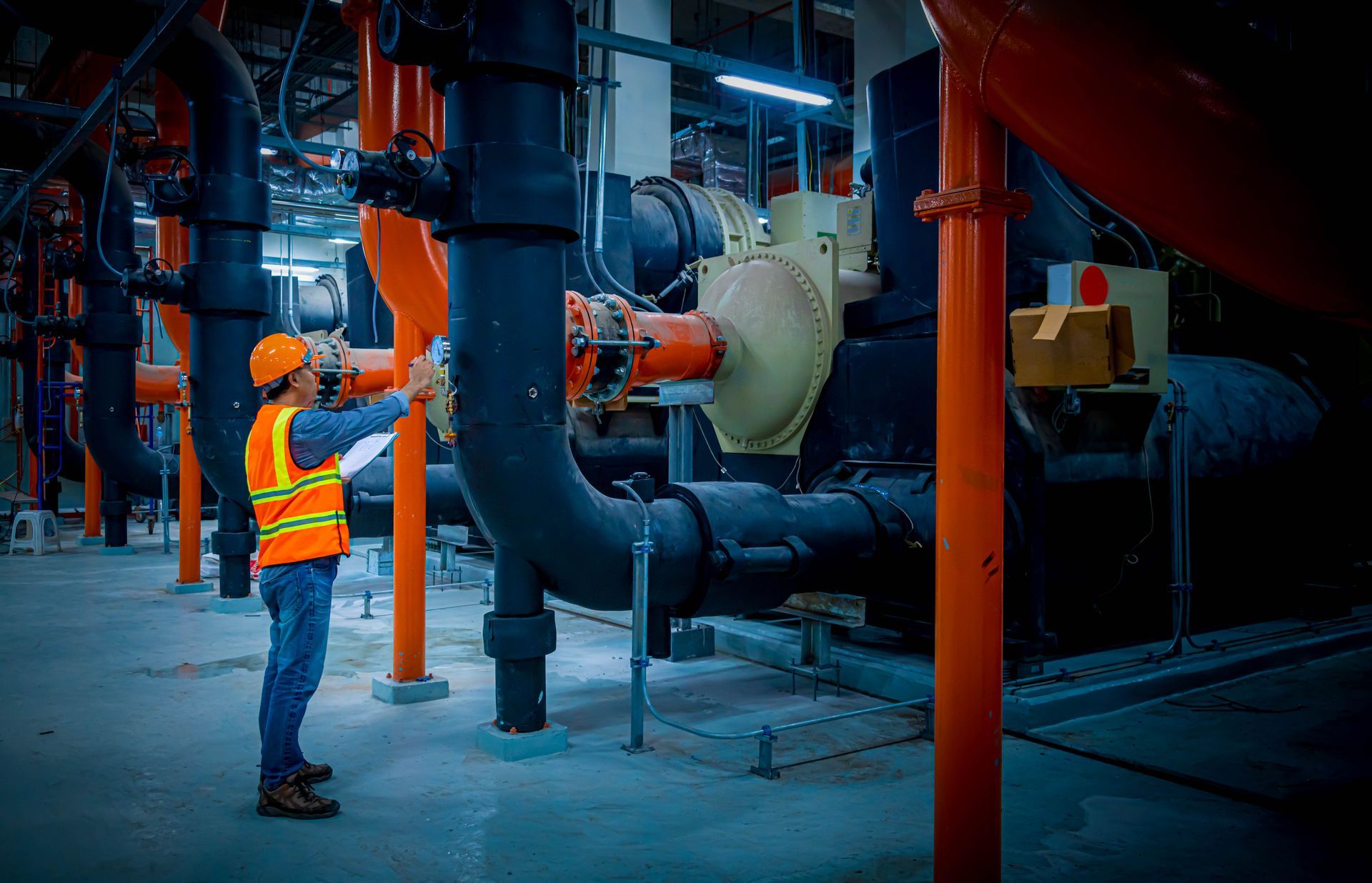
As industrial facilities age, protective coatings wear down and internal metal surfaces become more vulnerable to localized pitting, stress cracking, and galvanic attack. If your facility relies on older storage tanks, piping networks, heat exchangers, or structural supports, regular on-site condition assessments are essential for tracking how quickly materials are deteriorating. Relying on professional field services lets specialists inspect your assets directly in their active operating environments rather than making assumptions from basic visual walk-throughs.
According to Bebee, approximately 5,000 to 15,000 people work in corrosion testing services in the United States. Working with certified corrosion professionals gives you access to proven diagnostic methods that measure remaining wall thickness, evaluate coating integrity, and detect hidden subsurface damage before a failure occurs. You gain clear, objective data that helps your maintenance team prioritize repairs and allocate capital budgets where they are needed most.
Preparing for Scheduled Plant Turnarounds and Outages
Planned maintenance outages and plant turnarounds offer a valuable window to inspect equipment that is normally inaccessible during daily production. However, turnaround schedules are tight, and every hour of downtime carries a measurable financial cost. Scheduling field services well ahead of a planned shutdown ensures that testing teams arrive with the right diagnostic instruments and sampling protocols ready to execute without delaying your broader maintenance schedule.
During a turnaround, specialists can collect physical samples, inspect internal vessel surfaces, and document corrosion patterns across chemical processing, oil and gas, pulp and paper, and water treatment systems. When needed, on-site technicians can also send recovered samples back to the laboratory for deeper material characterization, such as metallography, scanning electron microscopy, or energy dispersive X-ray spectroscopy. Having both on-site observations and laboratory data in hand allows you to make confident repair-or-replace decisions before restarting operations.
Investigating Unexpected Leaks, Cracks, or Component Failures
When a pipe ruptures, a weld cracks, or a critical component fails prematurely, replacing the damaged part without understanding why it failed only sets your operation up for a repeat incident. Scheduling immediate on-site evaluations after an unexpected breakdown preserves crucial physical evidence, fracture surfaces, and corrosion deposits before cleanup crews alter or wash away the scene. Experienced engineers examine the surrounding environment, operating temperatures, fluid chemistry, and mechanical stress points to determine the exact root cause of the damage. Gathering these accurate on-site observations alongside controlled sample collection ensures that vital clues are not lost during emergency repairs.
By combining immediate field services with comprehensive failure analysis, you uncover whether the breakdown stemmed from improper material selection, localized chemical attack, stress corrosion cracking, manufacturing defects, or unexpected process changes. This thorough investigation provides clear documentation and actionable engineering recommendations to correct the underlying issue at its source. Instead of repeatedly patching the same vulnerable asset and absorbing recurring downtime costs, your team can implement targeted corrosion control strategies and material upgrades that protect safety and restore long-term system reliability.
Validating New Installations and Material Upgrades
Bringing new equipment online, modifying a processing line, or switching to a new alloy or protective coating introduces variables that can affect long-term asset performance. Even carefully engineered systems can experience unexpected corrosion if dissimilar metals are joined improperly, welds experience residual stress, or actual operating conditions differ slightly from initial design assumptions. Scheduling on-site evaluations during commissioning or shortly after installation verifies that new materials and coatings are performing as intended under real-world loads, temperatures, and chemical exposures.
Through dedicated field services, corrosion engineers evaluate environmental exposure, monitor electrochemical behavior, and confirm that protective systems are properly applied and intact without pinholes or adhesion defects. If early signs of galvanic incompatibility or coating breakdown appear, you can address them promptly while vendor warranties are still active and before minor issues spread across the new installation. Early verification protects your capital investment, prevents premature maintenance expenses, and establishes a reliable baseline for future condition assessments.
Adapting to Process Changes and New Operating Environments
Industrial operations rarely stay static over the lifespan of a facility. Increasing production throughput, altering chemical concentrations, shifting operating temperatures, or introducing new raw materials can dramatically change how corrosive an environment becomes to existing equipment. Even minor adjustments to flow velocity, pH levels, or pressure cycles can strip away protective passive films and expose underlying metal surfaces to accelerated attack. Materials that performed reliably for years under original operating parameters can rapidly degrade once process chemistry or thermal cycles shift, creating hidden vulnerabilities inside pipes, vessels, and heat exchangers.
Scheduling field services whenever you modify operating conditions helps you measure how your existing infrastructure responds to the new environment in real time. Specialists assess whether current alloys, welds, and protective linings can safely tolerate the updated process or if targeted material selection upgrades and electrochemical monitoring are necessary. By collecting accurate on-site data during operational transitions, you catch accelerated wear early, prevent sudden structural deterioration, avoid costly unplanned shutdowns, and keep your facility compliant with industry safety and environmental standards.
Establishing Baseline Data for Long-Term Asset Management
Many facility managers struggle to build accurate maintenance forecasts because they lack reliable historical data on how fast their equipment is degrading. Without documented baseline measurements, it is difficult to calculate corrosion rates, predict remaining useful life, or justify preventative maintenance investments to leadership. Teams are often forced to rely on broad industry averages or reactive visual checks that miss localised pitting, coating breakdown, and thinning walls until an urgent repair becomes unavoidable. Establishing a structured inspection schedule gives you consistent, repeatable data points across the entire lifecycle of your equipment, creating a clear record of how specific assets perform under your exact operating conditions.
Partnering with an experienced engineering team for recurring field services turns reactive maintenance into a predictable, data-driven asset management program. Detailed condition assessment reports track changes over time, highlight emerging risk areas, and connect seamlessly with specialized consulting services when remediation plans, material upgrades, or protective coating adjustments are required. With clear documentation, accurate failure analysis insights, and certified corrosion expertise backing your maintenance strategy, you can plan capital budgets effectively, extend equipment lifespans, minimize unplanned shutdowns, and operate with greater confidence.
Protecting Your Industrial Assets With Proven Expertise
Proactive on-site evaluation is one of the most effective ways to prevent costly equipment failures, protect workplace safety, and maximize the return on your industrial infrastructure. Rather than relying on guesswork or reacting to emergency breakdowns, scheduled testing provides accurate, real-world measurements that keep your operations running smoothly and compliant with industry standards.
Whether you are planning a major turnaround, investigating a sudden component failure, validating new material upgrades, or establishing routine condition monitoring, timely testing gives you the clarity needed to make sound engineering decisions. Contact Corrosion Testing Laboratories, Inc. today to request a free estimate within 24 to 48 hours and learn how our certified specialists can help protect your critical assets for the long term.